telehealth
Alopecia

Alopecia

What is Alopecia?

Alopecia is a general term for hair loss. It can have different causes and types, such as autoimmune, genetic, or mechanical. Alopecia can affect the scalp or other parts of the body.

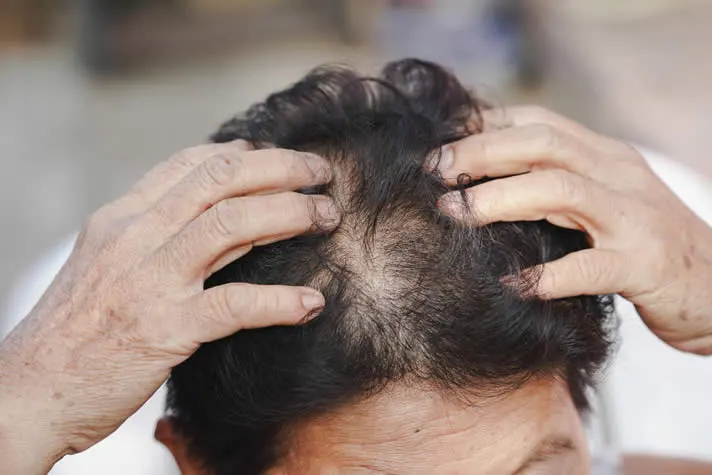
older-woman-hair-thinning

What are the signs and symptoms of Alopecia?

Gradual thinning of the hair on the top of the head. This is the most common type of hair loss, affecting people as they age. It may affect men or women differently. Patchy or circular bald spots on the scalp, beard, eyebrows, or eyelashes. This may indicate alopecia areata, an autoimmune condition that causes hair loss in small areas. The skin may be itchy or painful before the hair falls out. Sudden loosening of hair due to physical or emotional stress. This may cause overall hair thinning or hair loss in large clumps. Full-body hair loss due to certain medical treatments, such as chemotherapy or radiation therapy. The hair usually grows back after the treatment is over. Scaling, redness, swelling, or oozing on the scalp. This may indicate a fungal infection, such as ringworm, or a skin condition, such as psoriasis or seborrheic dermatitis.

What are the causes of Alopecia?

The causes of alopecia may vary depending on the type and cause of hair loss. Some common causes are:

  • Autoimmune disease: This is when the immune system mistakenly attacks the hair follicles, causing hair loss in patches or all over the body. This is the cause of alopecia areata, which may be triggered by stress, illness, or genetic factors.
  • Genetic and hormonal factors: This is when the hair follicles are affected by inherited genes or changes in hormones, such as during puberty, pregnancy, or menopause. This is the cause of androgenetic alopecia, also known as male or female pattern hair loss.
  • Excessive pulling or tension on the hair: This is when the hair is damaged by hairstyles that pull the hair too tight, such as braids, cornrows, or extensions. This can lead to inflammation and scarring of the scalp, causing permanent hair loss. This is the cause of traction alopecia.
  • Medical treatments or conditions: This is when the hair is affected by drugs, such as chemotherapy or radiation therapy, that cause hair loss as a side effect. The hair usually grows back after the treatment is over. Other medical conditions that can cause hair loss include thyroid disease, iron deficiency, fungal infections, or skin diseases.

What treatments are available at the dermatologist for Alopecia?

  • Corticosteroid injections: This is a common treatment for alopecia areata, an autoimmune condition that causes patchy hair loss. The dermatologist injects a medication into the bald areas to suppress the immune system and stimulate hair growth.
  • Minoxidil: This is an over-the-counter medication that comes in liquid, foam, or shampoo forms. It can help slow down or stop hair loss and promote hair regrowth.
  • Finasteride: This is a prescription medication for men with androgenetic alopecia, also known as male pattern hair loss. It works by blocking the hormone that causes hair follicles to shrink and stop producing hair
  • Hair transplantation: This is a surgical procedure that involves moving hair follicles from one part of the scalp to another where there is hair loss. It can be used to treat various types of alopecia, such as androgenetic alopecia, traction alopecia, or scarring alopecia.
  • Laser therapy: This is a noninvasive treatment that uses low-level laser light to stimulate blood flow and cellular activity in the scalp. It can help improve hair density and quality in people with androgenetic alopecia or alopecia areata.
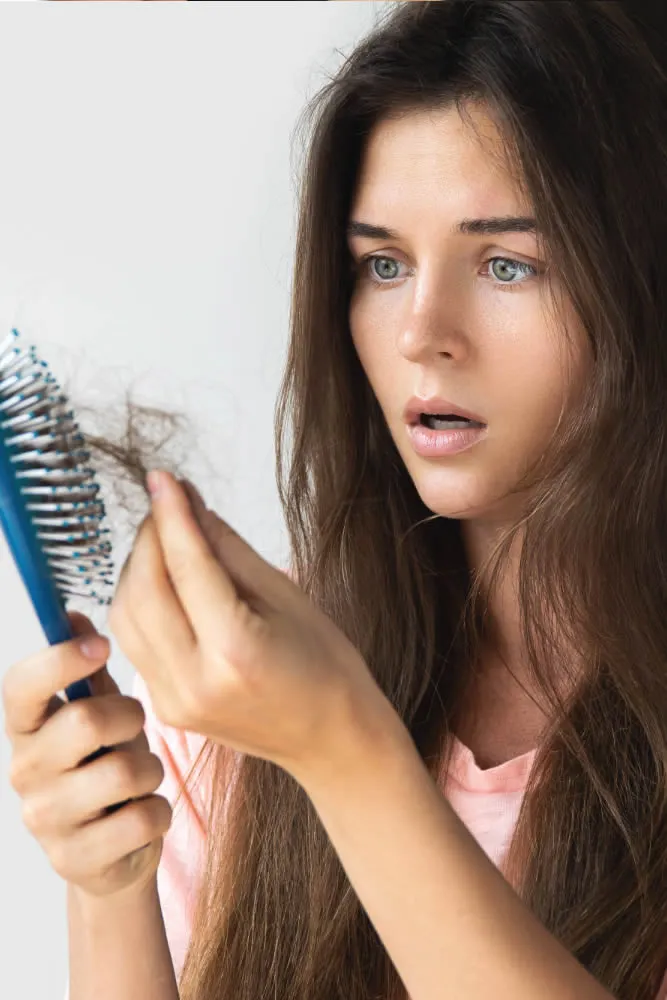
young-woman-is-upset-because-hair-loss-alopecia

What are the different types of Alopecia and how are they diagnosed?

Alopecia is a general term for hair loss. There are different types of alopecia, such as androgenetic alopecia, alopecia areata, traction alopecia, and cicatricial alopecia. They are diagnosed by a dermatologist through a physical examination and medical history. Sometimes, a biopsy or other tests may be needed to confirm the diagnosis or rule out other causes of hair loss.

FAQ About Alopecia

What are the treatment options and home remedies for alopecia?

Some possible treatment options and home remedies for alopecia are Medications,Surgery,Laser therapy & Some natural or herbal remedies may help improve the health of the scalp and hair

What are some tips to prevent or reduce hair loss?

Avoid hairstyles that pull the hair too tight, Use gentle hair products and avoid harsh chemicals, Wash and condition your hair regularly, Dry your hair gently and avoid excessive heat styling, Eat a balanced diet and take supplements if needed & Manage your stress levels and get enough sleep.

What are some myths and misconceptions about alopecia?

 There are different types of alopecia, such as alopecia areata, androgenic alopecia, and cicatricial alopecia. Alopecia can affect anyone, regardless of age, gender, or ethnicity. However, there are also many myths and misconceptions about alopecia that can lead to confusion and stigma

Is there a dermatologist near me in Chatsworth that offers treatment for alopecia?

Yes. At our Chatsworth dermatology office we offer treatment for alopecia to patients from Chatsworth and the surrounding area. Contact our office today to schedule an appointment.
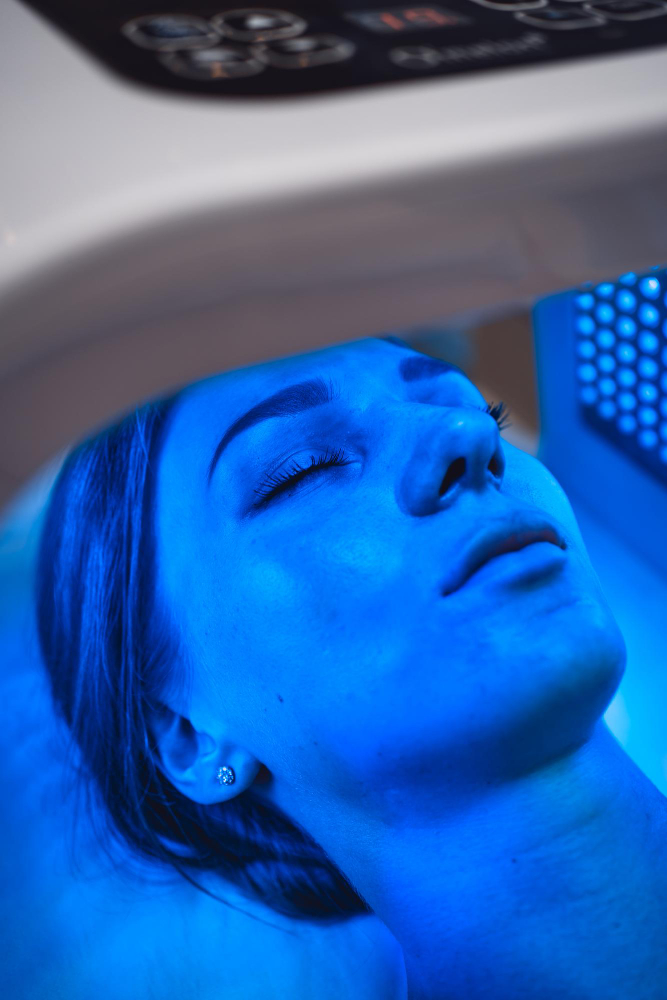
Blue Light Acne Treatment

Blue Light Acne Treatment

What is Blue Light Acne Treatment

Blue light acne treatment is a non-invasive, light-based therapy that uses blue light to kill the bacteria that cause acne. It is a type of photodynamic therapy that uses a specific wavelength of blue light (typically between 415-420 nm) that can penetrate the skin and target the P. acnes bacteria. P. acnes is a type of bacteria that lives on the skin and is known to contribute to the development of acne. When the blue light comes into contact with the bacteria, it causes a reaction that destroys the bacteria’s cell membrane, effectively killing it.

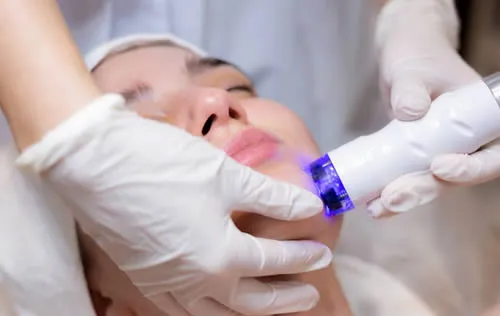
The treatment is typically performed with a device that emits blue light, and the light is applied directly to the affected area of the skin. The treatment is usually done in a series of sessions, and it can be done in a dermatologist’s office or at home using a blue light device specifically designed for home use. The duration of each session depends on the device, but it usually lasts for 15-30 minutes.

Blue light acne treatment is non-invasive, painless, and has minimal side effects. It can be used to reduce the number of acne lesions, improve the overall appearance of the skin, and prevent future breakouts. However, it’s important to note that blue light therapy is not a standalone treatment for acne, and it’s usually used in conjunction with other acne treatments such as topical creams or medications to address other contributing factors such as excess oil production or clogged pores.

Blue Light Acne Treatment

Blue Light Therapy Benefits

  • Acne reduction: Blue light therapy has been shown to be effective in reducing the number of acne lesions and improving the overall appearance of the skin.
  • Non-invasive: Blue light therapy is a non-invasive treatment that does not involve the use of drugs or surgery.
  • Painless: Blue light therapy is painless and has minimal side effects.
  • Can be done at home: Some blue light devices are specifically designed for home use, which allows for greater flexibility and convenience.
  • Safe: Blue light therapy is generally considered safe for most people, but it’s always recommended to consult a healthcare professional before starting any treatment.
  • Can be used in conjunction with other treatments: Blue light therapy can be used in conjunction with other acne treatments such as topical creams or medications to address other contributing factors such as excess oil production or clogged pores.
  • Psoriasis and eczema reduction: Blue light therapy has been shown to be effective in reducing the symptoms of psoriasis and eczema.

How Does Blue Light Acne Treatment Work?

Blue light therapy works by using a specific wavelength of light (typically between 415-420 nm) that is able to penetrate the skin and target the P. acnes bacteria. When the blue light comes into contact with the bacteria, it causes a reaction that destroys the bacteria’s cell membrane, effectively killing it. This process is known as photodynamic therapy.

The treatment is typically performed with a device that emits blue light, and the light is applied directly to the affected area of the skin. The treatment is usually done in a series of sessions, and it can be done in a dermatologist’s office or at home using a blue light device specifically designed for home use.

It’s important to note that blue light therapy is not a standalone treatment for acne, and it’s usually used in conjunction with other acne treatments such as topical creams or medications. This is because blue light therapy targets the bacteria that causes acne, but it doesn’t address other contributing factors such as excess oil production or clogged pores.

Can Blue Light Be Used for Other Treatment Than Acne?

Blue light therapy can be used to treat other conditions in addition to acne. Some other uses of blue light therapy include:

  • Psoriasis: Blue light therapy has been shown to be effective in reducing the symptoms of psoriasis, a chronic skin condition characterized by red, scaly patches on the skin.
  • Eczema: Blue light therapy has been shown to be effective in reducing the symptoms of eczema, a condition characterized by dry, itchy, and inflamed skin.

It’s important to note that while these uses of blue light therapy show promising results, it’s recommended to consult our dermatologist for more information.

Available Treatments for Blue Light Acne Treatment

Blue Light Acne Treatment is a specific type of acne treatment and is typically used in combination with other treatments to address other contributing factors. Some other treatments that may be used in combination with Blue Light Acne Treatment include:

  • Topical medications: Prescription-strength creams and gels that contain retinoids, antibiotics, or benzoyl peroxide can help to unclog pores and reduce inflammation.
  • Oral medications: Antibiotics or hormonal medications may be prescribed to address the bacterial or hormonal causes of acne.
  • Chemical peels: Chemical peels involve the application of a chemical solution to the skin to remove dead skin cells and unclog pores.
  • Microdermabrasion: This treatment involves using a device to exfoliate the skin and remove dead skin cells.
  • Laser therapy: Some types of laser therapy can help to kill the bacteria that causes acne and reduce inflammation.
  • Extraction: A dermatologist can manually extract blackheads and whiteheads using specialized tools.
blue-light-treatment-dermatologist

FAQ About Blue Light Acne Treatment

Is Blue Light Acne Treatment safe for all skin types?

Yes, Blue Light Acne Treatment is safe for all skin types. It is non-invasive, and there is no downtime or recovery time needed. However, it is essential to talk to a dermatologist before starting any acne treatment.

How many sessions of Blue Light Acne Treatment are needed to see results?

The number of sessions required depends on the severity of the acne. On average, most people require six to eight sessions to see a significant improvement in their acne.

How long does a Blue Light Acne Treatment session last?

A typical Blue Light Acne Treatment session lasts between 15 and 30 minutes. The exact duration depends on the type of treatment and the severity of the acne.

Are the results of Blue Light Acne Treatment permanent?

The results of Blue Light Acne Treatment are not permanent, and acne can return over time. However, with regular treatments, acne can be controlled, and new breakouts can be prevented.

Is there a dermatologist near me in Chatsworth that offers Blue Light Acne Treatment ?

Yes. At our Chatsworth dermatology office we offer Blue Light Acne Treatment to patients from Chatsworth and the surrounding area. Contact our office today to schedule an appointment.
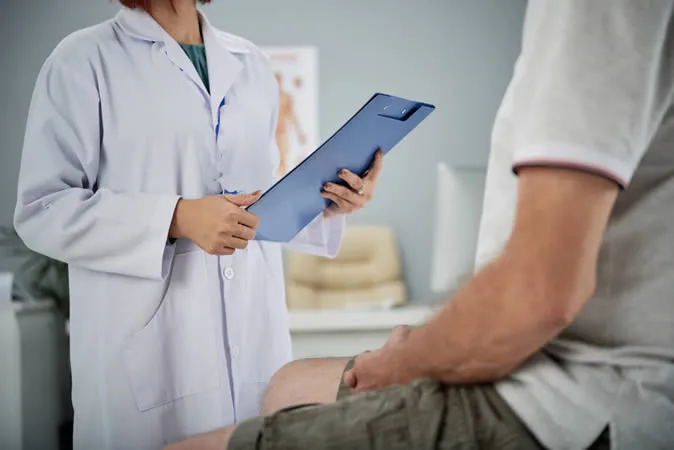
Molluscum Contagiosum

Molluscum Contagiosum

What is Molluscum Contagiosum?

Most often seen in children, molluscum contagiosum is a common viral infection. This virus affects the outer layer of skin and does not usually move through the body. The firm, skin-colored bumps that develop from molluscum contagiosum usually disappear within a year on their own but doctors often recommend treatment to keep the virus from spreading. Molluscum contagiosum can appear in adults and, if it involves the genitals in the adult cases, it is considered a sexually transmitted disease. People with weakened immune systems are more susceptible to the virus as well.

dermatology-exam

What are the signs and symptoms of Molluscum Contagiosum?

Generally, molluscum contagiosum produces little white, pink or flesh-colored bumps that have a dimple or pit in the center. In most people, the growths range in size from about two to five millimeters in diameter. Molluscum contagiosum often appears on the face, neck, abdomen, arms, legs, or genitalia.

What are the causes of Molluscum Contagiosum?

The molluscum contagiosum virus, a member of the poxvirus family, enters your skin through hair follicles, pores, or abrasions on the skin’s surface. Highly contagious, the virus spreads by person-to-person contact, sexual contact with an infected partner, or through contact with contaminated objects like toys, door knobs, or faucets. Scratching, rubbing and shaving the papules can spread the virus to other areas of skin.

What treatments are available at the dermatologist for Molluscum Contagiosum?

Your doctor will need to destroy the infection-causing cores inside the papules. Once this core is destroyed, the infection will heal. Several methods can be utilized to eliminate these cores:

  • Chemical agents to remove the infected skin
  • Cryotherapy to freeze the areas and kill the infection
  • Curette, scalpel, or other cutting device to surgically remove them
  • Lasers to destroy the infected cells
dermatology-consultation

FAQ About Molluscum Contagiosum

Is molluscum contagiosum contagious?

Yes, molluscum contagiosum is contagious until all the bumps have gone away. The virus can be spread from one part of the body to another or from one person to another through direct contact with the bumps or objects that have touched them.

Is molluscum contagiosum dangerous?

No, molluscum contagiosum is not dangerous in most cases. It is a mild and harmless infection that does not cause serious complications. However, it can cause discomfort, embarrassment, or anxiety for some people. It can also interfere with sexual pleasure or intimacy. In rare cases, it can cause secondary infections, eye problems, or widespread lesions in people with weakened immune systems.

Can molluscum contagiosum recur?

Yes, molluscum contagiosum can recur if a person is exposed to the virus again. The infection does not provide immunity against future infections. Therefore, it is possible to get molluscum contagiosum more than once in a lifetime.

Is there a dermatologist near me in Chatsworth that offers treatment for molluscum contagiosum?

Yes. At our Chatsworth dermatology office we offer treatment for molluscum contagiosum to patients from Chatsworth and the surrounding area. Contact our office today to schedule an appointment.

Psoriasis

Psoriasis

What is Psoriasis?

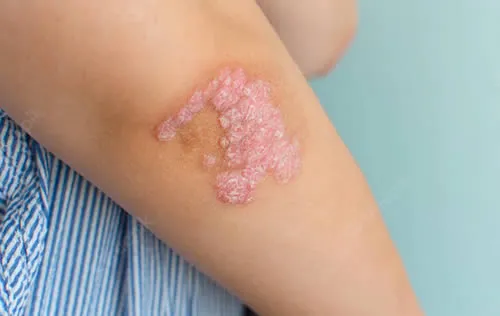
An estimated 7.5 million Americans suffer with psoriasis, a non-contagious, chronic skin condition. Often identified by patches of red, scaly skin, psoriasis occurs when the immune system sends out incorrect signals that cause skin cells to grow too quickly. With psoriasis, cells build up on the top layer of skin, creating patches of itchy, dry skin. The most common locations for psoriasis are on the elbows, knees, or trunk, but it can develop anywhere on the body.

Psoriasis is thought to be an autoimmune disease, which arises from an overactive response by the body towards substances and tissues normally present in the body. In the case of psoriasis, white blood cells, called T cells, attack healthy skin as if to fight off infection or heal a wound. Instead of new cells moving to the outermost layer of skin in a normal manner, they develop more rapidly. The dead skin can’t slough off fast enough to keep up, so thick, scaly areas form on the skin’s surface.

Usually, the first occurrence of psoriasis happens sometime between ages 15 to 35.   However, approximately 20,000 children under age 10 also live with psoriasis. Although psoriasis seems to have a genetic component, not everyone with that gene develops the disease.

psoriasis on arm

What are the signs and symptoms of Psoriasis?

Each case differs based on the individual, but people with psoriasis often experience at least one of the following symptoms:

  • Burning, itching, or soreness
  • Cracked, dry skin that can bleed
  • Patches of red skin with silvery scales
  • Pitted, ridged, or thickened nails
  • Stiff, swollen joints

If you think that you could have psoriasis, contact your doctor and schedule a complete exam.

Triggers
Because psoriasis is chronic, anyone with the condition will live with a cycle of flare-ups and remissions over a lifetime. Typically, patients with psoriasis may develop initial symptoms or experience flare ups because of various triggers, including

  • Certain medications
  • Cuts, scrapes, burns, or other damage to the skin
  • Diet
  • Excessive alcohol use
  • Other infections such as strep throat
  • Smoking
  • Stress
  • Weather

What are the different types of Psoriasis?

There are six main types of psoriasis:

1) Plaque Psoriasis (Psoriasis Vulgaris)

About 80 percent of people diagnosed with the disease have plaque psoriasis, or psoriasis vulgaris. Plaque psoriasis often appears as on the elbows, knees, and lower trunk in the form of raised, red lesions topped with silvery scales.

2) Guttate Psoriasis
Usually found on the limbs or trunk, guttate psoriasis primarily appears in patients younger than age 30. Guttate psoriasis presents as small, water-drop-shaped sores and can occur because of an illness or injury to the skin.

3) Inverse Psoriasis
With inverse psoriasis, patients develop smooth, shiny lesions that are bright red in color. Most often seen in people who are overweight, inverse psoriasis strikes the armpits, around the genitals, near the groin, and under the breasts.

4) Pustular Psoriasis
When you have pustular psoriasis, white blisters filled with pus and surrounded by red skin will appear either in localized areas or all over your body. Because the pus is made of white blood cells, it is not contagious. Certain things can trigger pustular psoriasis, such as irritating topical treatments, infections, overexposure to ultraviolet radiation, and stress.

5) Erythrodermic Psoriasis
Characterized by a fiery red rash coupled with extreme burning or itching, erythrodermic psoriasis is the least common kind of psoriasis. Triggers for erythrodermic psoriasis include severe sunburn, corticosteroids, other medications, or another type of psoriasis that has flared up.

6) Psoriatic Arthritis
In addition to causing pitted, discolored nails, psoriatic arthritis also presents with the swollen, painful joints that often accompany arthritis. Usually psoriatic arthritis isn’t as crippling as other forms of arthritis, but it can cause stiffness and progressive joint damage.

What treatments are available at the dermatologist for Psoriasis?

Currently, no cure exists for psoriasis. Treatments are designed to minimize discomfort and encourage healing. When determining the best treatment, your doctor will take into account the severity of the psoriasis. Mild to moderate psoriasis covers 3 to 10 percent of your body, while psoriasis is considered moderate to severe when it covers more than 10 percent.

Treating Mild to Moderate Psoriasis
If you have mild to moderate psoriasis, your doctor will likely recommend a combination of over-the-counter medications, prescription topical treatments, and light therapy/phototherapy.

Over-the-Counter (OTC) Medications
The two active ingredients in over-the-counter medications approved by the FDA for psoriasis are coal tar, which inhibits the quick overgrowth of cells, and salicylic acid, which makes the outer layer of skin shed. Other OTC treatments may help, like:

  • Scale lifters to loosen and eliminate scales so that medicine can penetrate the sores
  • Bath solutions, such as Epsom salts, Dead Sea salts, or oilated oatmeal, that reduce itching and remove scaling
  • Occlusion, which covers the areas treated with topical treatments applications, to improve absorption and effectiveness
  • Anti-itch products like calamine lotion or hydrocortisone creams
  • Moisturizers to keep skin hydrated, reduce symptoms, and encourage healing

Prescription Topicals
Designed to inhibit the overgrowth of cells and lessen inflammation, prescription topicals include:

  • Anthralin, which reduces the skin cell growth related to plaque
  • Calcipotriene will flattens lesions, removes scales, and slow cell growth. Often used in treatment of psoriasis on the scalp and nails.
  • Calcipotriene and Betamethasone Dipropionate. By combining Calcipotriene with betamethasone dipropionate, this treatment addresses the itch and inflammation common to psoriasis as well as flattening lesions, removing scales, and minimizing cell growth.
  • Calcitriol, an active form of vitamin D3, helps limit extraneous skin cell production
  • Tazarotene, a topical retinoid that slows down cell growth
  • Topical steroids are the most commonly used medications for psoriasis, and they work by reducing inflammation, swelling, and redness

Phototherapy (light therapy)
Exposure to ultraviolet light can provide relief from psoriasis. With careful monitoring, the UVA and UVB rays from the sun can reduce symptoms. Excimer lasers treat specific areas affected by psoriasis, while pulse dye lasers provide not only targeted treatment, but also destroy the blood vessels that promote the development of psoriasis.

Treating Moderate to Severe Psoriasis
For patients with moderate to severe psoriasis, treatment involves prescription medications, biologics and phototherapy (light therapy).

Prescription Medications
Based on the location, severity, and type of psoriasis, your doctor will prescribe an oral medication, such as acitretin, cyclosporine and methotrexate.

hands-patient-suffering-from-psoriasis

How does psoriasis affect your nails, eyes, and joints?

  • Nails: Psoriasis can cause changes in the appearance and structure of the nails, such as pitting, discoloration, thickening, loosening, or crumbling. These changes can affect the function and comfort of the nails, as well as the self-esteem of the person with psoriasis.
  • Eyes: Psoriasis can cause inflammation in the eyes, leading to a condition called uveitis. Uveitis can cause symptoms such as eye pain, redness, blurred vision, sensitivity to light, or floaters. If left untreated, uveitis can damage the eye and impair vision.
  • Joints: Psoriasis can cause inflammation in the joints, resulting in a type of arthritis called psoriatic arthritis. Psoriatic arthritis can cause symptoms such as joint pain, stiffness, swelling, reduced range of motion, or deformity. Psoriatic arthritis can affect any joint in the body, but it is more common in the fingers, toes, spine, and pelvis. Psoriatic arthritis can also affect the tendons and ligaments that attach to the bones.

FAQ About Psoriasis

Can psoriasis affect other parts of the body besides the skin?

Psoriasis can affect other parts of the body besides the skin, such as the nails, scalp and joints. In some cases, it may also be associated with other conditions such as psoriatic arthritis.

Can certain foods trigger psoriasis?

Certain foods, such as processed foods, alcohol, and gluten-containing foods, may trigger psoriasis in some individuals. It’s important for people with psoriasis to work with a dermatologist or a dietitian to identify any specific food triggers and to develop a diet plan that works best for them.

When should I see a dermatologist for psoriasis?

If you have symptoms of psoriasis, such as red, scaly patches on the skin, it’s important to see a dermatologist for proper diagnosis and treatment. A dermatologist can also help to develop an individualized treatment plan and provide guidance on how to manage the condition. If your symptoms persist or worsen, you should also consult with a dermatologist.

Is there a dermatologist near me in Chatsworth that offers treatment for psoriasis?

Yes. At our Chatsworth dermatology office we offer treatment for psoriasis to patients from Chatsworth and the surrounding area. Contact our office today to schedule an appointment.
Rosacea

Rosacea

What is Rosacea?

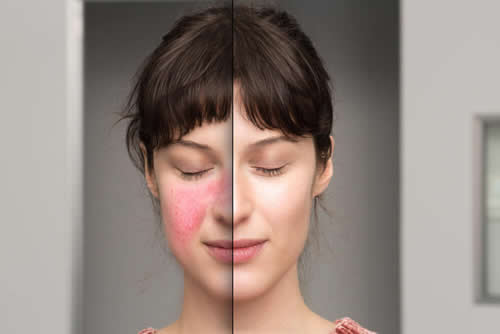
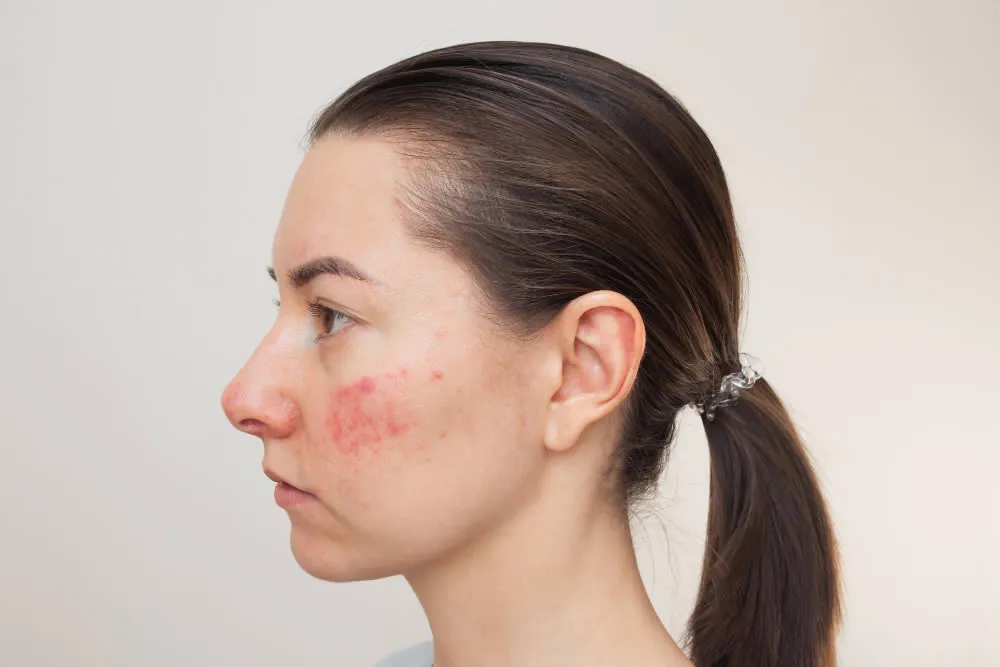
A chronic, inflammatory skin condition, rosacea affects more than 16 million Americans. Rosacea manifests itself as redness on the face that produces small, pus-filled bumps or pustules. Although rosacea is not contagious, some evidence suggests a genetic link to the condition.

Usually, most people first develop rosacea in their 30’s and then live with continuous cycles of flare-ups and dormancy. Without treatment, rosacea can have a negative impact on a person’s emotional, psychological and physical health.

rosacea-before-after-cosmetic-treatment-skin-disorders

What are the signs and symptoms of Rosacea?

Rosacea is a skin condition that causes redness and visible blood vessels in your face. It may also produce small, red, pus-filled bumps. 

Some of the signs and symptoms of rosacea are:

  • Facial blushing or flushing that comes and goes
  • Visible veins on the nose and cheeks
  • Swollen bumps or pimples on the face
  • Burning or stinging sensation on the skin
  • Eye problems such as dryness, irritation, or redness
  • Enlarged nose due to excess tissue (rhinophyma)

What are the causes of Rosacea?

The exact cause of rosacea has not been identified, but the environment and genetics may play a role. If you have light skin, a family history of rosacea or experience frequent blushing, you may have an increased tendency toward developing rosacea. More women than men tend to have rosacea but men experience more severe symptoms.

Certain factors can aggravate rosacea by increasing blood flow including:

  • Harsh soaps or abrasive cleanser
  • Alcohol
  • Corticosteroids
  • Extremes in temperature
  • Exposure to sun
  • Hot baths and saunas
  • Medications that dilate blood vessels, including certain blood pressure medications
  • Spicy foods
  • Stress, anger or embarrassment
  • Very hot foods or beverages
  • Vigorous exercise

What treatments are available at the dermatologist for Rosacea?

There are different treatments available at the dermatologist for rosacea, depending on the type and severity of your condition. Some of the treatments are:

  • Topical drugs that reduce flushing, such as brimonidine (Mirvaso) and oxymetazoline (Rhofade). These drugs work by constricting blood vessels and need to be applied regularly.
  • Topical drugs that help control the pimples of rosacea, such as azelaic acid (Azelex, Finacea), metronidazole (Metrogel, Noritate, others) and ivermectin (Soolantra). These drugs may take several weeks to show noticeable improvements.
  • Oral antibiotics, such as doxycycline (Oracea, others), for moderate to severe rosacea with bumps and pimples. These drugs help reduce inflammation and infection.
  • Oral acne drug, such as isotretinoin (Amnesteem, Claravis, others), for severe rosacea that doesn’t respond to other therapies. This drug helps clear up acnelike lesions of rosacea, but it can cause serious side effects and birth defecte.
  • Laser therapy, such as pulsed dye laser (PDL) or intense pulsed light (IPL), for enlarged blood vessels and redness. These therapies use light energy to shrink the blood vessels and reduce the redness. They may cause temporary swelling and bruising.


female-patient-listening-dermatologist

Rosacea vs Acne

  • Rosacea usually affects people older than 30, while acne is more common in teenagers and young adults.
  • Rosacea only affects the face and eyes, while acne can also affect the chest, neck, back, and shoulders.
  • Rosacea does not cause blackheads or whiteheads, which are typical features of acne.
  • Rosacea is triggered by factors such as hot drinks, spicy foods, alcohol, temperature extremes, sunlight, wind, emotions, exercise, cosmetics, or certain medications. Acne is caused by clogged pores due to excess oil and dead skin cells.
  • Rosacea has no cure, but it can be treated with medications, laser therapies, and lifestyle changes. Acne can be treated with topical and oral medications, as well as skin care products.
woman-with-rosacea-face-dermatological-problems

FAQ About Rosacea

Who is at risk for rosacea?
Rosacea is most common in fair-skinned people of Northern European descent, and is more common in women than in men. However, anyone can develop rosacea. People with a family history of rosacea may be more likely to develop the condition. It usually appears after age 30 and it affects more women than men.
How is rosacea diagnosed?
A dermatologist can diagnose rosacea by examining the skin and asking about symptoms. There is no specific test for rosacea. The diagnosis is based on the presentation of the skin, and also the patients’ symptoms, history and triggers.
What are some triggers for rosacea?
Triggers for rosacea can include sun exposure, heat, stress, alcohol, and certain foods. Common food triggers include spicy foods, hot drinks, and alcohol. Certain skin care products and cosmetics can also irritate the skin and trigger a flare-up.
Can rosacea lead to other health problems?
In some cases, rosacea can lead to eye problems such as conjunctivitis and blepharitis. These eye problems can cause redness, itching, and burning of the eyes, and can lead to loss of vision if left untreated.
How can I prevent rosacea flare-ups?
To prevent rosacea flare-ups, it is important to avoid known triggers, protect the skin from the sun by using a sunscreen with an SPF of at least 30, and maintaining a healthy lifestyle. Avoiding alcohol and spicy foods, practicing good skincare routine, and managing stress can also help prevent flare-ups. Additionally, it’s important to see a dermatologist regularly to monitor the condition and adjust treatment as needed.

Is there a dermatologist near me in Chatsworth that offers treatment for rosacea?

Yes. At our Chatsworth dermatology office we offer treatment for rosacea to patients from Chatsworth and the surrounding area. Contact our office today to schedule an appointment.
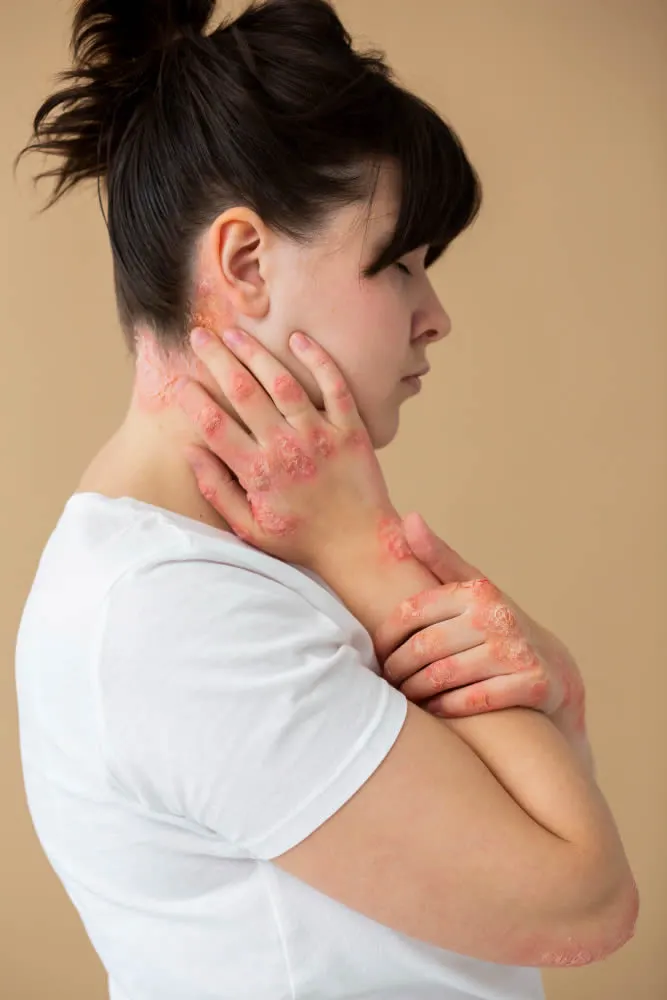
Molluscum Contagiosum

Shingles (Herpes Zoster)

What is Shingles (Herpes Zoster)?

Shingles, also known as herpes zoster, is a viral infection caused by the varicella-zoster virus, the same virus that causes chickenpox. It results in a painful rash with blisters, typically on one side of the body, along a nerve pathway. Shingles can occur in people who have previously had chickenpox, as the virus can remain dormant in the nerve tissues for many years and reactivate later in life. Shingles is more common in older adults, people with weakened immune systems, and those who have had chickenpox at a young age. The condition can be treated with antiviral medications and pain management.

dermatology-exam

What are the causes of Shingles?

Shingles is caused by the reactivation of the varicella-zoster virus, which is the same virus that causes chickenpox. After a person has had chickenpox, the virus remains dormant in the nerve tissues, and later in life, the virus can reactivate and cause shingles.

Several factors can increase the risk of shingles, including:

  • Age: The risk of shingles increases with age, especially after the age of 50.

  • Weakened immune system: People with weakened immune systems, such as those with HIV or cancer, are more likely to develop shingles.

  • Chronic medical conditions: Certain medical conditions, such as diabetes, heart disease, and chronic lung disease, can increase the risk of shingles.

  • Certain medications: Certain medications, such as corticosteroids, chemotherapy drugs, and immunosuppressants, can weaken the immune system and increase the risk of shingles.

  • Previous episode of shingles: A person who has had shingles in the past is at risk of developing it again.

What are the symptoms of Shingles?

The symptoms of shingles include:

  • Pain, burning, or tingling sensations on one side of the body
  • A rash or blisters on the same area of the body as the pain
  • Fever
  • Headache
  • Fatigue
  • Sensitivity to light.

It is important to see a doctor if you suspect you have shingles, as prompt treatment can help reduce the severity and duration of symptoms.

What treatments are available for Shingles?

  • Antiviral Medications: Our dermatologist can prescribe antiviral medications tailored to your specific needs. These medications are effective in reducing the severity and duration of shingles outbreaks while minimizing the risk of complications. Rest assured, we have the expertise to guide you through the appropriate treatment.
  • Pain Management: Shingles can be accompanied by intense pain. Our team can recommend or prescribe pain-relieving medications, including specialized options for nerve-related pain, to ensure your comfort during recovery.
  • Topical Solutions: For the skin manifestations of shingles, we may recommend topical creams or ointments containing corticosteroids to ease inflammation and itching. 
  • Skin Care Guidance: Our dermatologist will provide tailored advice on the best skincare practices for the affected area to prevent complications, including bacterial infections. 
  • Scar Minimization: In cases where shingles results in skin damage or ulceration, our dermatologists offer solutions to minimize scarring and promote optimal healing.

Your Partner in Shingles Care:

It’s important to note that while our dermatologists specialize in the skin-related aspects of shingles, this condition can have broader implications. Depending on your specific case, we may collaborate with other specialists, such as ophthalmologists or neurologists, to ensure comprehensive care.

If you suspect you have shingles or are experiencing painful rash symptoms, we encourage you to contact our office promptly. Early diagnosis and expert care are essential for effective management and a smoother path to recovery.

How to Help Prevent Shingles?

The following steps can help prevent shingles:

  • Get the shingles vaccine: The shingles vaccine is the best way to prevent shingles and its complications.
  • Maintain a healthy immune system: Eat a balanced diet, get regular exercise, and get enough sleep to help maintain a strong immune system.
  • Manage stress: Chronic stress can weaken your immune system, making you more susceptible to shingles.
  • Avoid close contact with infected individuals: If someone has shingles, try to avoid close contact until the blisters have dried and crusted over.
  • Practice good hygiene: Wash your hands frequently, especially after touching someone with shingles or items contaminated with the virus.

Note: If you have already had shingles, getting vaccinated can still help prevent future outbreaks.

dermatology-consultation

FAQ About Shingles

Who is at risk of getting shingles?

Anyone who has had chickenpox is at risk of developing shingles later in life, especially those over 50 years of age, immunocompromised individuals, and those with a weak immune system.

How is shingles diagnosed?

Shingles can be diagnosed by a healthcare provider based on the symptoms, medical history, and physical examination. A skin sample may also be taken to confirm the diagnosis.

Is shingles contagious?

Yes, shingles is contagious. However, it can only be spread to someone who has never had chickenpox or has not been vaccinated against it.

Can shingles recur?

It is possible for shingles to recur, but this is not common.

Can shingles cause long-term complications?

Yes, shingles can cause long-term complications such as postherpetic neuralgia (PHN), which is a form of chronic pain.

Is there a dermatologist near me in Chatsworth that offers treatment for shingles?

Yes. At our Chatsworth dermatology office we offers treatment for shingles to patients from Chatsworth and the surrounding area. Contact our office today to schedule an appointment.
Molluscum Contagiosum

Scleroderma

What is Scleroderma?

Scleroderma is a rare and complex condition that causes hardening and tightening of the skin and connective tissues. It occurs due to overproduction of the protein called collagen in the skin tissues. Scleroderma is also known as systemic sclerosis (SS). It can affect many parts of the body, such as the skin, muscles, joints, lungs, heart, kidneys, digestive tract, and blood vessels. It can cause various symptoms and complications, depending on the type and severity of the disease.

dermatology-exam

What are the signs and symptoms of Scleroderma?  

The common signs of scleroderma are:

  • Abnormally dark or light skin
  • Change in color of the fingers and toes from exposure to heat or cold
  • Hardening of the skin
  • Shiny hands and forearms
  • Small white lumps beneath the skin’s surface
  • Thickening of the skin
  • Tight facial skin
  • Ulcerations on the fingers or toes

What are the causes of Scleroderma?

When your body produces and accumulates an over abundance of collagen, scleroderma occurs. Doctors are not sure what causes this overproduction, but there appears to be a connection with the body’s immune system. Patients can develop localized scleroderma, which only affects the skin or systemic scleroderma, which impacts the skin and other organs, such as the gallbladder, heart, intestine, kidneys and lungs.

What are the different types of Scleroderma?

There are two main types of scleroderma: Localized and Systemic

Localized Scleroderma affects only the skin and nearby tissues, and sometimes the muscle below. It does not affect the internal organs. There are two types of localized scleroderma: morphea and linear. Morphea causes reddish patches of skin that thicken into firm oval-shaped areas. Linear scleroderma causes a single line or band of thickened, abnormally colored skin, usually on an arm, leg, or forehead. Systemic scleroderma affects the skin as well as the blood vessels and major organs, such as the heart, lungs, kidneys, and gastrointestinal tract. It can cause inflammation, fibrosis, and atrophy of these tissues. There are two types of systemic scleroderma: limited and diffuse.

Limited Scleroderma mainly affects the skin of the fingers, hands, face, lower arms, and legs. It can also cause problems with the esophagus, lungs, and heart. Limited scleroderma is sometimes associated with a group of symptoms known as CREST syndrome, which stands for calcinosis, Raynaud’s phenomenon, esophageal dysfunction, sclerodactyly, and telangiectasia. Diffuse scleroderma affects large areas of the skin and can involve any of the internal organs. It can cause rapid skin thickening and severe organ damage.

older-man

What treatments are available at the dermatologist for Scleroderma?

No treatment can cure scleroderma, but medication can help relieve the symptoms, prevent complications and slow down the progression of the disease. Treatment may include:

  • Blood pressure medications to help kidney and lung function
  • Drugs that suppress the immune system
  • Physical or occupational therapy
  • Surgical intervention

FAQ About Scleroderma

How is scleroderma diagnosed?

Scleroderma can be difficult to diagnose because it affects many areas of the body and has similar symptoms to other diseasesThe diagnosis is based on a combination of medical history, physical examination, blood tests, skin biopsy, and imaging tests.

Who gets scleroderma?

Scleroderma is a rare disease that affects fewer than half a million people in the United States. Some factors that may increase the risk of developing scleroderma include:

  • Gender: women are more likely than men to get scleroderma.
  • Age: the most common age to develop scleroderma is between 35 and 50 years old.
  • Ethnicity: Choctaw Native Americans and African Americans are more likely to be affected by scleroderma than other groups.
  • Family history: having a close relative with scleroderma may increase the chance of getting it

Is scleroderma contagious?

No, scleroderma is not contagious. It cannot be spread from one person to another by contact or exposure.

Is scleroderma hereditary?

Scleroderma is not inherited in a simple way, but it may have a genetic component. Some genes may make a person more susceptible to developing scleroderma, but they are not enough to cause the disease by themselves. Other factors, such as environmental triggers or infections, may also play a role in triggering scleroderma in genetically predisposed individuals.

Is there a dermatologist near me in Chatsworth that offers treatment for scleroderma?

Yes. At our Chatsworth dermatology office we offer treatment for scleroderma to patients from Chatsworth and the surrounding area. Contact our office today to schedule an appointment.

Molluscum Contagiosum

Herpes Simplex Virus

What is Herpes Simplex Virus?

Herpes simplex virus (HSV) is a viral infection that can cause cold sores (oral herpes) or genital sores (genital herpes). There are two types of herpes simplex virus: HSV-1 and HSV-2.

HSV-1 is primarily associated with oral herpes and is commonly contracted through contact with infected saliva.

HSV-2 is primarily associated with genital herpes and is typically transmitted through sexual contact.

Both types of herpes simplex virus can be spread from person to person, and once contracted, the virus remains in the body for life, lying dormant until it is reactivated. When reactivated, the virus can cause outbreaks of sores, although many people with herpes do not experience symptoms or only have mild symptoms.

Herpes simplex virus is a highly contagious infection and can be spread even when sores are not present. It’s important to practice safe sex and good hygiene to reduce the risk of transmission.

dermatology-exam

What are the causes of Herpes simplex virus?

Herpes simplex virus (HSV) is caused by the herpes simplex virus type 1 (HSV-1) or type 2 (HSV-2).

HSV-1 is primarily associated with oral herpes and is commonly contracted through contact with infected saliva, such as through kissing or sharing drinking utensils.

HSV-2 is primarily associated with genital herpes and is typically transmitted through sexual contact, including vaginal, anal, or oral sex.

Once contracted, the virus remains in the body for life, lying dormant until it is reactivated. The exact triggers that cause the virus to reactivate are not fully understood, but stress, illness, hormonal changes, and certain medications can all contribute.

It is important to note that herpes simplex virus is highly contagious and can be spread even when sores are not present.

What are the symptoms of Herpes Simplex Virus?

The symptoms of herpes simplex virus (HSV) can vary depending on whether it is causing oral herpes (cold sores) or genital herpes. Some common symptoms of herpes simplex virus include:

  • Cold sores (oral herpes): Painful blisters or sores on the lips, mouth, tongue, or face. These sores may be accompanied by itching, burning, or tingling.
  • Genital herpes: Painful blisters or sores on the genital area, anus, thigh, or buttocks. These sores may be accompanied by itching, burning, or tingling.
  • Flu-like symptoms: Fever, headache, muscle aches, and fatigue can occur before the appearance of blisters or sores.
  • Painful urination: Burning or pain while urinating can occur during outbreaks of genital herpes.

It’s important to note that some people with herpes simplex virus do not experience any symptoms, or only have mild symptoms, but can still spread the virus to others. If you experience symptoms of herpes, it’s important to see a doctor for proper diagnosis and treatment.

What treatments are available for Herpes Simplex Virus?

There is currently no cure for herpes simplex virus (HSV), but there are treatments available to help manage the symptoms and reduce the frequency and severity of outbreaks. Some common treatments for herpes simplex virus include:

  • Antiviral medications: Antiviral medications such as acyclovir, valacyclovir, and famciclovir can help reduce the severity and frequency of outbreaks and can also reduce the risk of transmitting the virus to others.
  • Topical creams: Topical creams containing numbing agents, such as lidocaine, can help relieve pain and discomfort during outbreaks of genital herpes.
  • Pain relievers: Over-the-counter pain relievers such as ibuprofen or acetaminophen can help relieve pain and discomfort during outbreaks.
  • Suppressive therapy: For people with frequent outbreaks, suppressive therapy with antiviral medications can help reduce the frequency of outbreaks.

It’s important to consult a dermatologist or healthcare provider for the best treatment options for your individual needs. Early treatment can help reduce the severity and duration of outbreaks.

female-patient-listening-dermatologist

How to Help Prevent Herpes Simplex Virus?

There are several steps you can take to help reduce the risk of contracting herpes simplex virus (HSV) and to prevent the spread of the virus to others:

  • Practice safe sex: Use condoms and practice safe sex to reduce the risk of transmission of genital herpes.
  • Avoid close contact: Avoid close contact, such as kissing, with people who have active cold sores.
  • Wash your hands: Wash your hands regularly and avoid touching your eyes, mouth, and nose, especially during outbreaks.
  • Avoid sharing personal items: Avoid sharing personal items such as towels, razors, and utensils with others to reduce the risk of transmission.
  • Avoid close contact with newborns: If you have active cold sores, avoid close contact with newborns and infants.
  • Maintain good hygiene: Practice good hygiene and regularly clean and disinfect any surfaces that may have come into contact with the virus to reduce the risk of transmission.
  • Use antiviral medications: If you have been diagnosed with herpes simplex virus, using antiviral medications as directed can help reduce the frequency and severity of outbreaks and reduce the risk of transmission to others.

It’s important to remember that herpes simplex virus is highly contagious and can be spread even when sores are not present.

FAQ About Herpes Simplex Virus?

How long does it take for HSV symptoms to appear?

The incubation period for HSV can range from 2 to 12 days after exposure.

How is HSV diagnosed?

A healthcare provider can diagnose HSV through a physical examination, visual inspection, and laboratory testing.

Can HSV cause long-term health problems?

In some cases, HSV can lead to more serious health problems, such as encephalitis or genital ulcers, which can cause long-term physical and emotional distress.

Is there a dermatologist near me in Chatsworth that offers treatment for Herpes Simplex Virus?

Yes. At our Chatsworth dermatology office we offer treatment for Herpes Simplex Virus to patients from Chatsworth and the surrounding area. Contact our office today to schedule an appointment.
Acne

Acne

What is Acne?

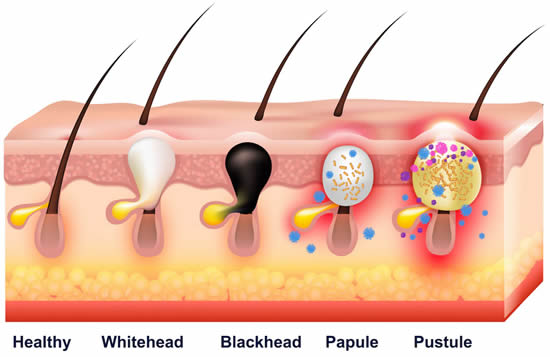
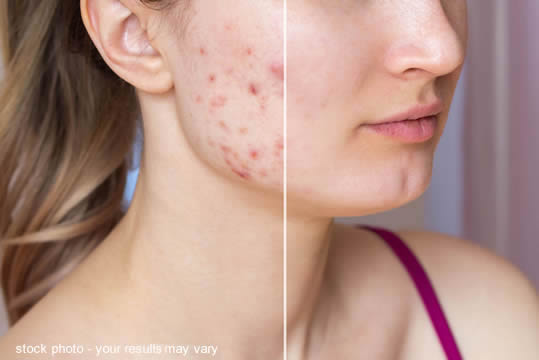
Acne is a common skin condition that happens when the hair follicles under the skin become clogged with oil and dead skin cells. This causes different types of bumps on the skin, such as whiteheads, blackheads, pimples, or cysts. Acne can affect people of all ages, but it is more common in teenagers and young adults. 

types-of-acne

What are the signs and symptoms of Acne?

Some of the signs and symptoms of acne are:

  • Whiteheads: These are closed plugged pores that appear as raised and white or flesh-colored bumps on the skin.
  • Blackheads: These are open plugged pores that look black due to a chemical reaction with oxygen in the air.
  • Pimples: These are inflamed pores that contain pus at their tips. They can be red, tender, or painful.
  • Nodules: These are large, solid, and painful lumps under the skin that result from deep inflammation of the pores.
  • Cysts: These are similar to nodules, but they contain pus and can cause scarring.
  • Acne scars: These are permanent marks on the skin that can result from severe or untreated acne.

Acne can affect different areas of the body, such as the face, chest, back, and shoulders. Acne can also cause emotional distress and affect one’s self-esteem and quality of life.


What are the causes of Acne?

The causes of acne are complex and not fully understood. However, some of the main factors that contribute to acne are:

  • Excess oil (sebum) production: Sebum is a natural oil that lubricates and protects the skin. However, when too much sebum is produced, it can mix with dead skin cells and bacteria and clog the pores, leading to acne.
  • Hair follicles clogged by oil and dead skin cells: Hair follicles are tiny sacs that contain a hair and an oil gland. When the oil gland produces too much sebum, it can build up in the follicle and trap dead skin cells and bacteria, forming a plug that blocks the pore opening.
  • Bacteria: The bacteria Propionibacterium acnes (P. acnes) normally live on the skin and help break down excess sebum. However, when the pores are clogged, P. acnes can multiply and cause inflammation and infection in the follicle, resulting in pus-filled pimples.
  • Inflammation: Inflammation is the body’s natural response to injury or infection. However, when inflammation is excessive or chronic, it can damage the skin and cause scarring. Inflammation can also trigger more sebum production and worsen acne.

Other factors that may influence acne development include hormones, genetics, diet, stress, medications, cosmetics, and environmental factors.

What Are the Different Types of Acne?

The different types of acne are classified based on the appearance and severity of the skin lesions. some of the common types of acne are:

  • Whiteheads: These are closed comedones, which are pores that are clogged by oil and dead skin cells. They have a white or flesh-colored surface and are usually small and not inflamed.
  • Blackheads: These are open comedones, which are pores that are clogged by oil and dead skin cells. They have a black or dark surface due to oxidation of the oil and are usually larger and more visible than whiteheads.
  • Papules: These are inflamed bumps that are red, tender, and sometimes painful. They are caused by bacteria, excess oil, and dead skin cells that infect the pore and cause inflammation.
  • Pustules: These are inflamed bumps that are filled with pus. They are also known as pimples or zits. They have a white or yellow center and a red base. They may rupture and leak pus, which can spread the infection to other pores.
  • Nodules: These are large, hard, and painful lumps that form deep under the skin. They are caused by severe inflammation and infection of the pore that damages the surrounding tissue. They can last for weeks or months and may leave scars.
  • Cysts: These are large, soft, and painful lumps that contain pus and blood. They form deep under the skin as a result of severe inflammation and infection of the pore that ruptures the follicle wall. They can also last for weeks or months and may leave scars.

What treatments are available at the dermatologist for Acne?

Some of the treatments that are available at the dermatologist for acne are:

  • Topical medications: These are creams, gels, or lotions that you apply to your skin. They can contain different ingredients, such as retinoids, antibiotics, benzoyl peroxide, azelaic acid, or salicylic acid. They work by reducing oil production, killing bacteria, preventing clogged pores, or reducing inflammation.
  • Oral medications: These are pills that you take by mouth. They can include antibiotics, oral contraceptives, anti-androgens, or isotretinoin. They work by killing bacteria, regulating hormones, blocking the effect of androgens on oil glands, or reducing oil production and inflammation.
  • Procedures: These are treatments that are performed by a dermatologist in a clinic or office. They can include extraction of pimples, phototherapy, chemical peels, microdermabrasion, laser therapy, or injections of corticosteroids or other substances. They work by removing clogged pores, reducing inflammation, improving skin texture, destroying bacteria, or shrinking large cysts.
Young woman with acne on face before and after

The Benefits of Using Retinoids for Acne

Retinoids are a group of medications derived from vitamin A that can help treat acne and other skin conditions. Some of the benefits of using retinoids for acne are:

  • They can reduce oil production and prevent clogged pores, which are common causes of acne breakouts.
  • They can kill bacteria and reduce inflammation, which can help clear up active acne lesions such as papules and pustules.
  • They can stimulate cell turnover and improve skin texture, which can help fade acne scars and reduce the appearance of wrinkles.

Retinoids come in different forms, such as creams, gels, or lotions, and different strengths, such as tretinoin, adapalene, or retinol. Depending on your skin type and acne severity, your dermatologist can help you choose the best retinoid product for your condition. However, retinoids can also cause some side effects, such as dryness, peeling, redness, itching, or sun sensitivity. Therefore, it is important to use them as directed and follow proper skin care routines when using retinoids for acne.

FAQ About Acne

What is acne and how is it treated by a dermatologist?

Acne is a common skin condition that occurs when hair follicles become clogged with oil and dead skin cells. It is usually treated by a dermatologist with a combination of over-the-counter and prescription treatments, such as topical creams and gels containing benzoyl peroxide or salicylic acid, oral medications, retinoids, and chemical peels.

What causes acne and can it be prevented by a dermatologist?

Acne is caused by a combination of factors, including genetics, hormonal changes, and a buildup of oil and bacteria on the skin. Certain medications, such as corticosteroids and lithium, can also cause acne. A dermatologist can recommend skincare routines and products to help prevent acne, such as cleansing the face twice daily with a gentle cleanser and using non-comedogenic makeup and skincare products.

Can diet affect acne and how can a dermatologist help?

There is some evidence to suggest that certain foods, such as dairy products and high-glycemic-index foods, may contribute to the development of acne. However, more research is needed to confirm this. A dermatologist can provide personalized dietary recommendations and may refer a patient to a nutritionist for further evaluation and guidance.

Is it true that chocolate and greasy foods cause acne and what can a dermatologist recommend?

There is no scientific evidence to support the claim that chocolate and greasy foods cause acne. However, if a patient notices that a particular food seems to trigger breakouts, a dermatologist may recommend avoiding that food to see if it makes a difference.

Can stress cause acne and how can a dermatologist help?

Stress can contribute to the development of acne by causing an increase in the hormone cortisol, which can lead to an increase in oil production. A dermatologist may recommend stress-reducing techniques, such as relaxation exercises or therapy, to help manage acne.

Can acne be cured with home remedies and what does a dermatologist recommend?

There are many home remedies that are claimed to help treat acne, such as using honey, tea tree oil, and apple cider vinegar. However, it is important to keep in mind that there is limited scientific evidence to support the effectiveness of these remedies. A dermatologist can recommend proven treatments and advise on the safety and effectiveness of any home remedies a patient may be considering.

Is it okay to pop pimples and what does a dermatologist advise?

It is generally not recommended to pop pimples, as this can cause the bacteria and oil inside the pimple to spread to other areas of the skin, leading to more breakouts and potentially causing scarring. A dermatologist may advise a patient to leave pimples alone and let them heal on their own, or may perform extractions as part of a treatment plan.

Can a dermatologist help with acne scarring?

A dermatologist in Chatsworth can recommend a variety of treatments for acne scarring, including topical creams, chemical peels, microneedling, and laser therapy. The best treatment option will depend on the type and severity of the scarring.

Can a dermatologist help with hormonal acne?

Hormonal acne is caused by an imbalance of hormones, which can be triggered by factors such as puberty, pregnancy, and menopause. A dermatologist in Chatsworth can recommend treatments, such as oral medications or topical creams, to help regulate hormones and manage hormonal acne.

Can a dermatologist help with adult acne?

Yes, a dermatologist can help with adult acne. Adult acne is often caused by a combination of factors, including hormonal changes, stress, and genetics. A dermatologist can evaluate the specific causes of a patient’s adult acne and recommend a treatment plan that may include topical or oral medications, chemical peels, or other treatments. It is important for adults with acne to seek treatment from a dermatologist, as untreated acne can lead to scarring and other long-term skin problems.

Is there a dermatologist near me in Chatsworth that offers treatment for acne?

Yes. At our Chatsworth dermatology office we offers treatment for acne to patients from Chatsworth and the surrounding area. Contact our office today to schedule an appointment.

Impetigo

Impetigo

What is Impetigo?

A highly contagious skin infection, impetigo usually develops in infants and children although anyone can contract the infection. The most common occurrences of impetigo happen during the summer and early fall. Usually, impetigo is caused by the bacteria Staphylococcus aureus (staph) or Group A streptococcus (strep). Bacteria can live harmlessly on the body because the skin normally acts as a barrier to infection. If you have cuts and abrasions, these bacteria can enter the skin and produce impetigo which begins as small patches of blisters.

You contract impetigo either by coming in contact with someone that has the infection or when open sores cannot heal as in the cases that develop on the mouths and noses of young children. Impetigo spreads easily and thrives in environments like daycares and schools.

kid-at-doctor

What are the causes of Impetigo?

Impetigo is caused by bacterial infections, typically Staphylococcus aureus or Streptococcus pyogenes. The bacteria can enter the skin through cuts, scrapes, or other skin lesions and multiply, leading to the development of impetigo. Impetigo is highly contagious and can spread easily through close contact with infected individuals or by sharing towels, clothing, or other personal items that have come into contact with the bacteria.

Factors that increase the risk of developing impetigo include:

  • A weakened immune system
  • Crowded living conditions, such as in schools or daycare centers
  • Poor hygiene
  • Skin injuries, cuts, or abrasions
  • Humid or warm weather
  • Eczema or other skin conditions that cause dry, itchy skin.

It’s important to seek prompt treatment for impetigo to avoid spreading the infection and to prevent complications such as scarring or secondary skin infections.

What are the symtpoms of Impetigo?

The symptoms of impetigo typically include:

  • Blisters or sores that can be red, yellow, or honey-colored and filled with fluid.
  • Itching or burning skin around the affected area.
  • Redness and swelling around the affected area.
  • Crusting over of the blisters or sores.
  • Formation of new blisters or sores.

It’s important to see a dermatologist if you experience any of these symptoms, as impetigo is a highly contagious skin infection that requires prompt treatment to prevent the spread of the bacteria and avoid potential complications.

What treatments are available for Impetigo?

The main treatment for impetigo is antibiotics, either in topical or oral form, to kill the bacteria causing the infection. Treatment options may include:

  • Topical antibiotics: Antibiotic creams or ointments applied directly to the affected area can help clear up the infection.

  • Oral antibiotics: Antibiotics taken by mouth may be prescribed for more severe cases of impetigo or when the infection has spread beyond a localized area.

  • Antiseptic care: Keeping the affected area clean and dry and using antiseptic creams or ointments can help promote healing and prevent the spread of the infection.

In addition to antibiotics, it’s important to practice good hygiene, such as washing hands regularly and keeping wounds covered, to prevent the spread of impetigo and reduce the risk of reinfection.

If you experience symptoms of impetigo, it’s important to see a dermatologist for proper diagnosis and treatment. 

FAQ About Impetigo

Is impetigo contagious?

Yes, impetigo is highly contagious and can spread easily through close contact with infected individuals or by sharing personal items that have come into contact with the bacteria.

Can impetigo leave scars?

In some cases, impetigo can cause scarring, especially if the sores are not treated promptly or if the infection spreads to surrounding skin.

When should I see a dermatologist for impetigo?

You should see a dermatologist if you experience symptoms of impetigo or if you have been in close contact with someone who has the infection. Early treatment can help prevent the spread of the bacteria and reduce the risk of complications.

Is there a dermatologist near me in Chatsworth that offers treatment for impetigo?

Yes. At our Chatsworth dermatology office we offer treatment for impetigo to patients from Chatsworth and the surrounding area. Contact our office today to schedule an appointment.
Molluscum Contagiosum

Scabies

What are Scabies?

Scabies is a highly contagious skin condition caused by a mite called Sarcoptes scabiei. The mite burrows into the skin and lays its eggs, leading to intense itching and skin rashes. The itching and rashes are a result of an allergic reaction to the mites and their waste products.

dermatology-exam

What causes Scabies?

Scabies is caused by the Sarcoptes scabiei mite. The mite burrows into the skin and lays its eggs, causing an allergic reaction and intense itching. Scabies is highly contagious and can be spread through direct skin-to-skin contact, as well as through contact with infested clothing, bedding, and towels.

What treatments are available for Scabies?

Treatment for scabies typically involves prescription medications to kill the mites. The most commonly used medications for scabies are:

  • Permethrin cream: This topical medication is applied to the entire body from the neck down and left on for 8-14 hours before being washed off.

  • Ivermectin pills: This oral medication is taken as a single dose, and is effective in treating scabies in individuals with weakened immune systems.

  • Lindane lotion: This topical medication is used in some cases, but is not recommended as a first-line treatment due to potential toxic side effects.

In addition to treating the affected individual, all close contacts should also be treated to prevent re-infestation. After treatment, itching and skin rashes may persist for several weeks, but should eventually subside.

It is important to seek medical attention for proper diagnosis and treatment of scabies, as well as to rule out any other skin conditions that may mimic scabies. Over-the-counter treatments and home remedies are not recommended for scabies, as they are often not effective and can cause skin irritation.

FAQ About Scabies

How is scabies diagnosed?

A dermatologist can diagnose scabies by examining the skin and performing a skin scraping to look for mites, eggs, or mite feces.

Is scabies curable?

Yes, scabies is curable with proper treatment.

How long does it take for scabies to go away?

With proper treatment, scabies can go away within several days to several weeks. However, itching and skin rashes may persist for several weeks after treatment.

Can scabies be spread through bedding and clothing?

Yes, scabies can be spread through bedding, clothing, and towels, which is why it is important to wash these items in hot water and dry on a hot setting.

Is it safe to return to school or work after being treated for scabies?

Yes, it is safe to return to school or work after being treated for scabies, as long as all close contacts have also been treated.

Is there a dermatologist near me in Chatsworth that offers treatment for scabies?

Yes. At our Chatsworth dermatology office we offers treatment for scabies to patients from Chatsworth and the surrounding area. Contact our office today to schedule an appointment.
Age Spots

Age Spots

What are Age Spots?

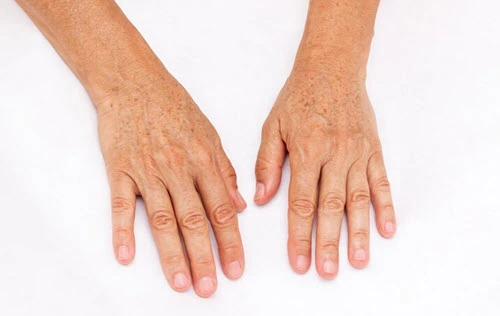
Also called solar lentigines, age spots refer to the brownish areas that appear over time on your face and body. Age spots occur as a result of overexposure to the sun. Often seen on people over 40, anyone can have age spots.

Usually, age spots do not cause any problems and do not require medical care. If the spots are especially dark or have changed in appearance, have your physician exam them to make sure there is no risk of skin cancer. After a visual inspection, your doctor can determine if the area needs to be biopsied.

age-spots on hands

What are the causes of Age Spots?

Melanin, the dark pigment in the epidermis, gives the skin its pigment. Extra melanin, which protects the deeper layers of skin, causes the darker color of a tan. When extra melanin is generated or it becomes clumped in one location, age spots appear. Usually, age spots develop after years of exposure to the sun, but tanning lamps and tanning beds can eventually lead to the same results. Genetics and the natural aging process can also influence whether you have age spots or not.

What treatments are available for Age Spots?

If age spots make you feel self-conscious about how you look, schedule an appointment with dermatologist name to learn about treatment options to remove or lighten age spots, including:

How to help prevent Age Spots

Minimizing exposure to the sun will reduce your odds of developing age spots.

Follow these tips as well:

  • Avoid tanning beds or lamps
  • Choose a broad-spectrum sunscreen with an SPF of 30 to 50 or greater and reapply often
  • Cover skin with hats, long sleeves and long pants
  • Limit outdoor time during peak sun hours
happy mature woman

The Difference Between Age Spots and Other Skin Conditions

Age spots are small, flat dark areas on the skin that are usually tan to dark brown. They are caused by overactive pigment cells due to sun exposure or tanning beds. They are common in adults older than 50 and appear on areas that are most exposed to the sun, such as the face, hands, shoulders and arms. 

Moles are growths on the skin that can be flesh-colored, brown, or black. They can appear anywhere on the skin, alone or in groups. They can be benign (non-cancerous) or malignant (cancerous), which is why it is important to monitor them for change.

Freckles are tiny, flat, circular spots that are typically beige or brown in color. They appear in groups on areas of the skin that are regularly exposed to the sun, such as the face, arms, and legs. They often become darker after sun exposure and significantly lighten up in the winter months. They are not harmful and do not need treatment, but they can be reduced or eliminated by topical skin care products or laser treatments.

FAQ About Age Spots

Are age spots dangerous?

Age spots are generally harmless and do not require treatment. However, if a person notices a new spot on their skin, or a spot that changes in size, shape, or color, they should consult a dermatologist as it could be a sign of a more serious skin condition such as skin cancer.

How can I prevent age spots?

To prevent age spots, it is important to protect your skin from the sun’s ultraviolet (UV) rays. This can be done by wearing protective clothing, using sunscreen with at least SPF 30, and seeking shade when the sun is at its strongest. In addition, it is also important to avoid tanning beds, which emit UV rays that can damage the skin and increase the risk of skin cancer.

Can age spots be treated or removed?

Age spots can be treated with a variety of methods, including topical creams, chemical peels, laser therapy, and cryotherapy. These methods can lighten or remove age spots, but they may not be completely eliminated. It’s important to consult with a dermatologist to determine the best treatment options for your individual case.

Are age spots only found in older people?

Age spots are more commonly found in older people, but they can occur at any age, especially in people who have had a lot of sun exposure. Young people who have a history of sunburns or tanning are also at risk of developing age spots. It’s important for people of all ages to take steps to protect their skin from the sun and to have any unusual spots on their skin checked by a dermatologist.

Can age spots appear on other parts of the body besides the face, hands and arms?

Age spots can appear on any part of the body that has been exposed to the sun. They are commonly found on the face, hands, and arms, but they can also appear on the legs, back, and chest. It’s important to check all exposed areas of the skin for age spots, especially if you have a history of sun exposure or sunburns.

Can age spots be mistaken for something else?

Age spots can be mistaken for other types of skin conditions such as freckles, moles, or even skin cancer. It’s important to have any unusual spots on your skin checked by a dermatologist to rule out any other serious skin conditions. A dermatologist can also help determine the best treatment options for age spots, if necessary.

Is there a dermatologist near me in Chatsworth that offers treatment for age spots?

Yes. At our Chatsworth dermatology office we offer treatment for age spots to patients from Chatsworth and the surrounding area. Contact our office today to schedule an appointment.