

telehealth
Scabies

Scabies

What are Scabies?

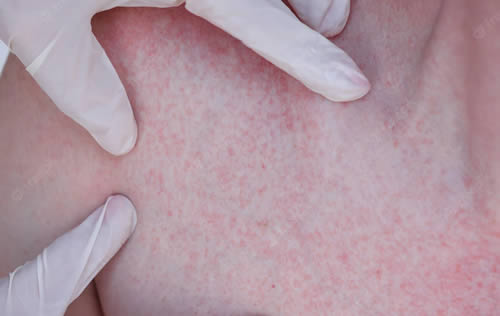
Scabies is a highly contagious skin condition caused by a mite called Sarcoptes scabiei. The mite burrows into the skin and lays its eggs, leading to intense itching and skin rashes. The itching and rashes are a result of an allergic reaction to the mites and their waste products.

dermatology-exam

What causes Scabies?

Scabies is caused by the Sarcoptes scabiei mite. The mite burrows into the skin and lays its eggs, causing an allergic reaction and intense itching. Scabies is highly contagious and can be spread through direct skin-to-skin contact, as well as through contact with infested clothing, bedding, and towels.

What treatments are available for Scabies?

Treatment for scabies typically involves prescription medications to kill the mites. The most commonly used medications for scabies are:

  • Permethrin cream: This topical medication is applied to the entire body from the neck down and left on for 8-14 hours before being washed off.

  • Ivermectin pills: This oral medication is taken as a single dose, and is effective in treating scabies in individuals with weakened immune systems.

  • Lindane lotion: This topical medication is used in some cases, but is not recommended as a first-line treatment due to potential toxic side effects.

In addition to treating the affected individual, all close contacts should also be treated to prevent re-infestation. After treatment, itching and skin rashes may persist for several weeks, but should eventually subside.

It is important to seek medical attention for proper diagnosis and treatment of scabies, as well as to rule out any other skin conditions that may mimic scabies. Over-the-counter treatments and home remedies are not recommended for scabies, as they are often not effective and can cause skin irritation.

FAQ About Scabies

How is scabies diagnosed?

A dermatologist can diagnose scabies by examining the skin and performing a skin scraping to look for mites, eggs, or mite feces.

Is scabies curable?

Yes, scabies is curable with proper treatment.

How long does it take for scabies to go away?

With proper treatment, scabies can go away within several days to several weeks. However, itching and skin rashes may persist for several weeks after treatment.

Can scabies be spread through bedding and clothing?

Yes, scabies can be spread through bedding, clothing, and towels, which is why it is important to wash these items in hot water and dry on a hot setting.

Is it safe to return to school or work after being treated for scabies?

Yes, it is safe to return to school or work after being treated for scabies, as long as all close contacts have also been treated.

Is there a dermatologist near me in Chatsworth that offers treatment for scabies?

Yes. At our Chatsworth dermatology office we offers treatment for scabies to patients from Chatsworth and the surrounding area. Contact our office today to schedule an appointment.
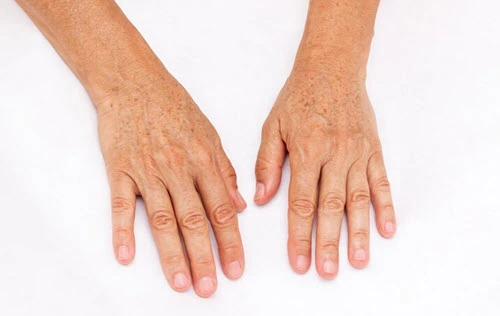

Age Spots

Age Spots

What are Age Spots?

Also called solar lentigines, age spots refer to the brownish areas that appear over time on your face and body. Age spots occur as a result of overexposure to the sun. Often seen on people over 40, anyone can have age spots.

Usually, age spots do not cause any problems and do not require medical care. If the spots are especially dark or have changed in appearance, have your physician exam them to make sure there is no risk of skin cancer. After a visual inspection, your doctor can determine if the area needs to be biopsied.

age-spots on hands

What are the causes of Age Spots?

Melanin, the dark pigment in the epidermis, gives the skin its pigment. Extra melanin, which protects the deeper layers of skin, causes the darker color of a tan. When extra melanin is generated or it becomes clumped in one location, age spots appear. Usually, age spots develop after years of exposure to the sun, but tanning lamps and tanning beds can eventually lead to the same results. Genetics and the natural aging process can also influence whether you have age spots or not.

What treatments are available for Age Spots?

If age spots make you feel self-conscious about how you look, schedule an appointment with dermatologist name to learn about treatment options to remove or lighten age spots, including:

How to help prevent Age Spots

Minimizing exposure to the sun will reduce your odds of developing age spots.

Follow these tips as well:

  • Avoid tanning beds or lamps
  • Choose a broad-spectrum sunscreen with an SPF of 30 to 50 or greater and reapply often
  • Cover skin with hats, long sleeves and long pants
  • Limit outdoor time during peak sun hours
happy mature woman

The Difference Between Age Spots and Other Skin Conditions

Age spots are small, flat dark areas on the skin that are usually tan to dark brown. They are caused by overactive pigment cells due to sun exposure or tanning beds. They are common in adults older than 50 and appear on areas that are most exposed to the sun, such as the face, hands, shoulders and arms. 

Moles are growths on the skin that can be flesh-colored, brown, or black. They can appear anywhere on the skin, alone or in groups. They can be benign (non-cancerous) or malignant (cancerous), which is why it is important to monitor them for change.

Freckles are tiny, flat, circular spots that are typically beige or brown in color. They appear in groups on areas of the skin that are regularly exposed to the sun, such as the face, arms, and legs. They often become darker after sun exposure and significantly lighten up in the winter months. They are not harmful and do not need treatment, but they can be reduced or eliminated by topical skin care products or laser treatments.

FAQ About Age Spots

Are age spots dangerous?

Age spots are generally harmless and do not require treatment. However, if a person notices a new spot on their skin, or a spot that changes in size, shape, or color, they should consult a dermatologist as it could be a sign of a more serious skin condition such as skin cancer.

How can I prevent age spots?

To prevent age spots, it is important to protect your skin from the sun’s ultraviolet (UV) rays. This can be done by wearing protective clothing, using sunscreen with at least SPF 30, and seeking shade when the sun is at its strongest. In addition, it is also important to avoid tanning beds, which emit UV rays that can damage the skin and increase the risk of skin cancer.

Can age spots be treated or removed?

Age spots can be treated with a variety of methods, including topical creams, chemical peels, laser therapy, and cryotherapy. These methods can lighten or remove age spots, but they may not be completely eliminated. It’s important to consult with a dermatologist to determine the best treatment options for your individual case.

Are age spots only found in older people?

Age spots are more commonly found in older people, but they can occur at any age, especially in people who have had a lot of sun exposure. Young people who have a history of sunburns or tanning are also at risk of developing age spots. It’s important for people of all ages to take steps to protect their skin from the sun and to have any unusual spots on their skin checked by a dermatologist.

Can age spots appear on other parts of the body besides the face, hands and arms?

Age spots can appear on any part of the body that has been exposed to the sun. They are commonly found on the face, hands, and arms, but they can also appear on the legs, back, and chest. It’s important to check all exposed areas of the skin for age spots, especially if you have a history of sun exposure or sunburns.

Can age spots be mistaken for something else?

Age spots can be mistaken for other types of skin conditions such as freckles, moles, or even skin cancer. It’s important to have any unusual spots on your skin checked by a dermatologist to rule out any other serious skin conditions. A dermatologist can also help determine the best treatment options for age spots, if necessary.

Is there a dermatologist near me in Chatsworth that offers treatment for age spots?

Yes. At our Chatsworth dermatology office we offer treatment for age spots to patients from Chatsworth and the surrounding area. Contact our office today to schedule an appointment.
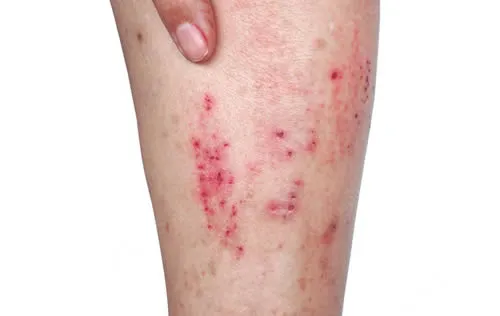
Atopic Dermatitis

Atopic Dermatitis

atopic dermatitis on legs

What is Atopic Dermatitis?

Thought of as a skin allergy or sensitivity, atopic dermatitis has no specific cause. Atopic dermatitis is related to how your immune system responds to contact with germs and allergens. Genetics and environmental factors seem to play a role in the development of atopic dermatitis. Certain things can trigger a flare up of the condition including climate, temperature, irritants, stress and infection. Most cases of atopic dermatitis develop during the first year of life, and many resolve themselves by 18 to 24 months. Some people live with constant cycles of remission and recurrence throughout their lifetime.

What are the causes of Atopic Dermatitis?

Thought of as a skin allergy or sensitivity, atopic dermatitis has no specific cause. Atopic dermatitis is related to how your immune system responds to contact with germs and allergens. Genetics and environmental factors seem to play a role in the development of atopic dermatitis. Certain things can trigger a flare up of the condition including climate, temperature, irritants, stress and infection. Most cases of atopic dermatitis develop during the first year of life, and many resolve themselves by 18 to 24 months. Some people live with constant cycles of remission and recurrence throughout their lifetime.

What are the symtoms and treatments for Atopic Dermatitis?

Symptoms
With atopic dermatitis, the skin typically develops itchy patches and inflammation that leads to swelling, redness, cracking, crusting, weeping and scaling. Usually atopic dermatitis appears on the face, wrists, hands, folds of the arms and the back of the knees. The itchiness and inflammation often cause scratching which worsens the condition of the skin.

Treatments
Although no cure exists for atopic dermatitis, various therapies can help manage the symptoms. Often doctors recommend moisturizers to reduce dryness, antihistamines to reduce itching, corticosteroids to control inflammation and immune modulators to suppress the skin’s reaction. If a secondary infection develops because of cracking or scratching, your physician will prescribe a topical or oral medication to resolve the issue.

How to help prevent Atopic Dermatitis

Following these tips can help reduce symptoms and manage atopic dermatitis:

  • Avoid known triggers
  • Bath in lukewarm water
  • Choose light-weight cotton clothing
  • Frequently apply moisturizers to skin
  • Keep fingernails short
  • Stay cool
  • Wear hand mitts while you sleep
dermatology-exam

FAQ About Atopic Dermatitis

What causes Atopic Dermatitis?

The exact cause of Atopic Dermatitis is not fully understood, but it is thought to be a combination of genetic and environmental factors. People with AD tend to have a defect in the skin barrier, which makes their skin more susceptible to irritation and infection.

Are there different types of Atopic Dermatitis?

There are different types of Atopic Dermatitis, based on the age of onset and severity of symptoms. The most common type is known as “infantile eczema” and it usually begins in infancy and improves or resolves by the age of 6. Another type is “childhood eczema” which starts between 2-6 years old, and tends to persist into adulthood.

How is Atopic Dermatitis diagnosed?

Atopic Dermatitis is typically diagnosed by a dermatologist, who will examine the skin and ask about the patient’s symptoms and medical history. A skin biopsy may be done in some cases to rule out other skin conditions.

Can Atopic Dermatitis be cured?

Atopic Dermatitis is a chronic condition, which means that it cannot be cured. However, with appropriate treatment and management, symptoms can be controlled and flare-ups can be prevented. It’s important for people with AD to work closely with a dermatologist or other healthcare provider to develop an individualized treatment plan.

Is there a dermatologist near me in Chatsworth that offers treatment for Atopic Dermatitis?

Yes. At our Chatsworth dermatology office we offer treatment for Atopic Dermatitis to patients from Chatsworth and the surrounding area. Contact our office today to schedule an appointment.
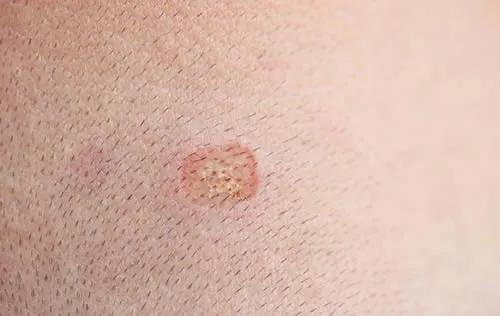
Birthmarks / Pigmented Skin

Birthmarks / Pigmented Skin

What are Birthmarks?

Birthmarks are colored marks on the skin that are present at birth or soon afterwards. They are caused by an overgrowth of blood vessels, pigment cells, or other types of cells in the skin. There are two main types of birthmarks: pigmented and vascular. Pigmented birthmarks are brown, black, or blue and are caused by excess pigment cells. Vascular birthmarks are red, pink, or purple and are caused by abnormal blood vessels.

birthmark

What are the causes of Birthmarks?

The causes of birthmarks are not fully understood, but they are generally related to an overgrowth or abnormality of certain cells or blood vessels in the skin. They are not caused by anything that a pregnant woman does or doesn’t do during her pregnancy. They happen by chance and sometimes run in families.

There are two main types of birthmarks: pigmented and vascular. Pigmented birthmarks are caused by an excess of pigment cells, which give color to the skin. Vascular birthmarks are caused by abnormal blood vessels, which may be too many, too wide, or in the wrong place.

The Hidden Dangers of Birthmarks

The hidden dangers of birthmarks are rare, but they may include:

  • Skin cancer. Some types of birthmarks, such as congenital moles or congenital melanocytic nevi, may have a higher risk of developing into skin cancer, especially if they are large or change in appearance. It is important to monitor these birthmarks and see a doctor if they grow, bleed, itch, or become painful.
  • Medical conditions. Some types of birthmarks, such as port-wine stains or cafe-au-lait spots, may be associated with certain genetic disorders or syndromes that affect other organs or systems in the body. For example, port-wine stains on the face may be a sign of Sturge-Weber syndrome, which can cause seizures, glaucoma, and learning difficulties. Cafe-au-lait spots may be a sign of neurofibromatosis type 1, which can cause tumors on the nerves, skin, and other tissues. These conditions require regular medical check-ups and treatment.
  • Cosmetic concerns. Some types of birthmarks, such as hemangiomas or port-wine stains, may cause emotional distress or low self-esteem due to their appearance or location on the body. Some people may choose to have their birthmarks removed or lightened by laser treatment or surgery for cosmetic reasons. However, these procedures are not always effective and may have side effects or complications.

Most birthmarks are harmless and do not need treatment unless they pose a health risk or cause psychological problems. If you have any concerns about your birthmark or your child’s birthmark, you should consult your doctor for advice and diagnosis.

What treatments are available at the dermatologist for Birthmarks?

There are different treatments available at the dermatologist for birthmarks, depending on the type, size, location, and appearance of the birthmark. Some of the common treatments are:

  • Laser therapy: This is a procedure that uses a beam of light to shrink or remove blood vessels or pigment cells in the skin. It can help lighten or fade vascular birthmarks, such as port-wine stains or hemangiomas, or pigmented birthmarks, such as café-au-lait spots or congenital moles. Laser therapy is usually done in several sessions and may cause some temporary side effects, such as redness, swelling, bruising, or blistering.
  • Medication: This is a treatment that involves taking oral or topical drugs to reduce the growth or size of certain birthmarks. It can be effective for hemangiomas of infancy, which are red, raised birthmarks that tend to grow rapidly in the first year of life. One of the medications used for this purpose is propranolol, a beta-blocker that shrinks blood vessels and reduces blood flow to the birthmark. Medication is usually prescribed by a dermatologist and may have some side effects, such as low blood pressure, slow heart rate, or drowsiness.
  • Surgery: This is a treatment that involves cutting out or shaving off the birthmark with a scalpel or a special device. It can be used for birthmarks that are raised, large, or located in areas that are difficult to treat with other methods. Surgery is usually done under local or general anesthesia and may leave a scar or a skin graft.
happy mature woman

FAQ About Birthmarks

What causes pigmented birthmarks?

The exact cause of pigmented birthmarks is not known, but they are thought to be caused by an overgrowth of pigment-producing cells in the skin.

Are pigmented birthmarks dangerous?

Most pigmented birthmarks are benign and do not pose a health risk. However, it is important to monitor them for any changes, as some pigmented birthmarks may develop into skin cancer.

Can pigmented birthmarks be removed?

Some pigmented birthmarks can be removed for cosmetic reasons or if there is concern for skin cancer. Treatment options include surgery, laser therapy, and topical medications.

Are there any risks associated with removing pigmented birthmarks?

There are risks associated with removing pigmented birthmarks, including scarring and changes in pigmentation. It’s important to consult with a qualified medical professional for the best advice on treatment.

What should I do if I have a pigmented birthmark that is changing in size, shape, or color?

If you have a pigmented birthmark that is changing in size, shape, or color, it is important to have it evaluated by a qualified medical professional. This could be a sign of skin cancer.

Is it possible to prevent pigmented birthmarks from developing?

It is not possible to prevent pigmented birthmarks from developing, as their cause is not fully understood. However, it is important to protect your skin from excessive sun exposure and to have any suspicious birthmarks evaluated by a qualified medical professional.

Is there a dermatologist near me in Chatsworth that offers treatment for birthmarks?

Yes. At our Chatsworth dermatology office we offer treatment for birthmarks to patients from Chatsworth and the surrounding area. Contact our office today to schedule an appointment.
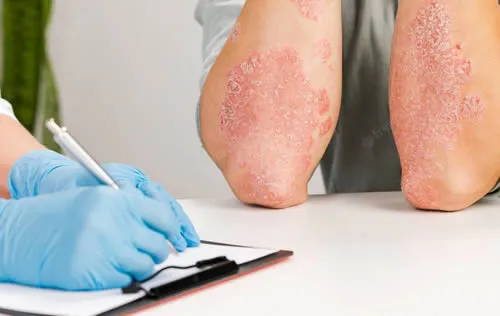
Eczema (Dermatitis)

Eczema (Dermatitis)

What is Eczema?

Affecting between nine and thirty percent of the U.S. population, eczema refers to inflammation of the skin. The term eczema actually covers many various skin conditions that produce itchy, dry skin patches. Although it can appear anywhere on the body, eczema usually appears on the creases on the face, arms and legs. Because of the intense itching that accompanies eczema, people often scratch the skin which leads to crusting and oozing.

A non-contagious skin condition, eczema has no known cause. It does appear to have a hereditary component. Certain things, such as stress, weather and environmental factors can trigger a flare-up of eczema. People with eczema often live with cycles of flare-ups and remissions.

In mild cases of eczema, over-the-counter topical creams and antihistamines can relieve the symptoms. More severe eczema may require stronger medications, such as steroid creams, oral steroids (corticosteroids), and antibiotic pills or antifungal creams to treat any potential infection. Using mild cleansers and keeping skin moist can help control your eczema.

eczema on arms

What are the signs and symptoms of Eczema?

Eczema is a condition that causes your skin to become dry, itchy and inflamed. The signs and symptoms of eczema can vary depending on the type, severity and stage of the condition. Some common signs and symptoms of eczema are:

  • Dry, cracked, scaly or flaky skin
  • Red, pink, purple, brown or gray patches of skin
  • Itching, which may be worse at night or during flare-ups
  • Small, raised bumps that may ooze or crust over
  • Thickened, leathery or discolored skin from scratching
  • Swelling or inflammation of the skin
  • Rash on the face, neck, hands, elbows, knees, ankles, feet or other areas of the body

What are the causes of Eczema?

Eczema is a condition that causes your skin to become dry, itchy and inflamed. The causes of eczema are not fully understood, but they may include:

  • A genetic variation that affects the skin’s ability to provide protection from bacteria, irritants, allergens and environmental factors.
  • An imbalance of the bacteria on the skin, which disrupts the skin’s barrier function and triggers an immune system response.
  • A contact with a trigger in your environment, such as dry weather, fabrics, makeup, smoke, soaps or detergents.
  • A history or diagnosis of dermatitis, allergies, hay fever or asthma.
  • A physical or emotional stress, which can cause inflammation in the body.

What treatments are available at the dermatologist for Eczema?

There are different treatments available at the dermatologist for eczema, depending on the type, severity and cause of the condition. 

Some of the possible treatments are:

  • Medicated creams or ointments that control itching, inflammation and infection. These may include corticosteroids, calcineurin inhibitors, antibiotics or antifungals.
  • Oral medications that suppress the immune system or reduce inflammation. These may include cyclosporine, methotrexate, prednisone, azathioprine or biologics.
  • Phototherapy or light therapy, which uses ultraviolet (UV) rays to improve the skin’s condition and reduce symptoms.
  • Patch testing or allergy testing, which helps identify specific substances that trigger or worsen eczema.
  • Wet wraps or paste bandages, which cover the skin with moist dressings to soothe and protect it.
  • Lifestyle changes, such as avoiding triggers, moisturizing regularly, using gentle skin care products and managing stress.

The best treatment for eczema depends on your individual situation and preferences. Your dermatologist can help you find the most suitable and effective treatment for your eczema.

female-patient-listening-dermatologist

How to Avoid Common Eczema Triggers and Irritants

  • Use a thick moisturizer (emollient) as a soap substitute when washing your body or hands. Avoid soap, bubble bath and shower gel completely, as they can remove the natural oils from your skin and make it dry and itchy.
  • Wear cotton clothes next to your skin rather than potentially irritating fabrics such as wool. Wash your clothes with non-biological detergents and rinse them well. Avoid fabric conditioners, as they can also cause eczema to flare up.
  • Keep your skin moisturized regularly, especially after bathing or showering. Apply a non-fragranced, dye-free cream or ointment to lock in the moisture and protect your skin barrier.
  • Avoid contact with irritating chemicals and substances, such as fragrances, dyes, perfumes, alcohols, soaps and detergents. Wear rubber gloves with a cotton lining when using these products or working with similar chemicals.

The Benefits of Phototherapy for Eczema

Phototherapy is a treatment option that uses ultraviolet (UV) light to improve the symptoms of eczema, such as redness, itching, inflammation and infection. Some of the benefits of phototherapy for eczema are:

  • It may help clear your skin by reducing the inflammation and destroying the bacteria that cause eczema.
  • You may experience fewer eczema rashes in the future by strengthening your skin barrier and preventing the entry of external triggers.
  • It may decrease the need for using topical medications, which can have side effects or lose effectiveness over time.
  • It may also improve your mood and quality of life by relieving the discomfort and stress caused by eczema.

FAQ About Eczema

Are there different types of eczema?

There are different types of eczema, based on the age of onset and severity of symptoms. The most common type is known as “atopic dermatitis” and it usually begins in infancy and improves or resolves by the age of 6. Another type is “contact dermatitis” which is caused by an allergic reaction to a specific substance.

What are the symptoms of eczema?

Symptoms of eczema can vary from person to person and can range from mild to severe. Common symptoms include: dry, itchy skin, redness and swelling, scaling, cracking, and even bleeding.

How is eczema diagnosed?

Eczema is typically diagnosed by a dermatologist, who will examine the skin and ask about the patient’s symptoms and medical history. A skin biopsy may be done in some cases to rule out other skin conditions.

Can eczema affect other parts of the body besides the skin?

Eczema can affect the eyes, ears, and scalp. In some cases, eczema can also lead to complications such as asthma, allergies, and sleep disturbances.

Can certain foods trigger eczema?

Certain foods, such as dairy, eggs, nuts, soy, and wheat, can trigger eczema in some people. It’s important for individuals with eczema to work with a dermatologist or a dietitian to identify any specific food triggers and to develop a diet plan that works best for them.

Is there a dermatologist near me in Chatsworth that offers treatment for exzema?

Yes. At our Chatsworth dermatology office we offer treatment for eczema to patients from Chatsworth and the surrounding area. Contact our office today to schedule an appointment.

Scabies

Hidradenitis Suppurativa

What is Hidradenitis Suppurativa?

Hidradenitis suppurativa is a long-term skin condition that causes painful bumps under the skin, usually in areas where the skin rubs together, such as the armpits, groin, buttocks and breastsThe bumps can break open and drain pus, and sometimes form tunnels and scars under the skinThe condition is thought to be related to the inflammation of the hair follicles and sweat glandsThe exact cause is unknown, but some factors that may trigger or worsen it include smoking, obesity, hormonal changes, stress and genetics. There is no cure for hidradenitis suppurativa, but treatments can help manage the symptoms and prevent complications. These include antibiotics, steroids, hormonal therapy, biologics and surgery.

dermatology-exam

What are the signs and symptoms of Hidradenitis Suppurativa?

Some of the signs and symptoms of hidradenitis suppurativa are:

  • Blackheads that appear in small, pitted areas of skin, often in pairs
  • Painful pea-sized lumps that form under the skin, usually in areas where the skin rubs together, such as the armpits, groin, buttocks and breasts
  • Leaking bumps or sores that break open and drain pus with an odor
  • Tunnels that form under the skin, connecting the lumps
  • Scars that result from the healing and reopening of the wounds

The severity and frequency of the symptoms may vary from person to person. Some people may experience only mild symptoms, while others may have chronic and painful outbreaks. The symptoms may also flare up and subside over time.

What are the causes of Hidradenitis Suppurativa?

The exact cause of hidradenitis suppurativa is unknown, but it is thought to be related to the inflammation of the hair follicles and sweat glands. Some factors that may trigger or worsen hidradenitis suppurativa include:

  • Smoking cigarettes, which is the most common trigger for hidradenitis suppurativa
  • Being overweight or obese, which increases the risk and severity of hidradenitis suppurativa
  • Hormonal changes, such as puberty, pregnancy, or menopause
  • Stress, which can affect the immune system and inflammation
  • Genetics, as some people may inherit a tendency to develop hidradenitis suppurativa

Hidradenitis suppurativa is not an infectious or contagious disease, and it is not caused by poor hygiene or diet. However, keeping the skin clean and avoiding irritants may help prevent flare-ups.

What treatments are available at the dermatologist for Hidradenitis Suppurativa?

Some of the treatments that are available at the dermatologist for hidradenitis suppurativa are:

  • Medications: These include antibiotics, steroids, hormonal therapy, biologics, and retinoids. They can help reduce inflammation, infection, and pain, as well as prevent new lesions from forming.
  • Surgery or other procedures: These include incision and drainage, excision, skin grafting, laser therapy, and radiotherapy. They can help remove or destroy the affected tissue, drain the pus, and improve the appearance of the scars.
  • Skin care: This involves using a wash with benzoyl peroxide and switching to a gentle antiperspirant. This can help prevent or reduce flare-ups and complications.

The best treatment for hidradenitis suppurativa depends on the severity and extent of the disease, as well as your personal preferences. You should consult with your dermatologist to find a treatment plan that suits your needs.

dermatology-consultation

How is hidradenitis suppurativa diagnosed?

Hidradenitis suppurativa can be mistaken for pimples or acne. For many people, it takes years to receive a correct diagnosis. Your health care provider will base a diagnosis on your signs and symptoms, skin appearance, and medical history.

Is hidradenitis suppurativa contagious?

No, hidradenitis suppurativa is not contagious. You cannot catch it from someone else or spread it to other people. HS is not an infectious or sexually transmitted disease. It is caused by an abnormal immune response that affects the hair follicles and sweat glands in certain areas of the skin.

Is hidradenitis suppurativa related to other diseases?

Yes, hidradenitis suppurativa is related to other diseases. People with HS have a higher risk of developing other conditions that are associated with inflammation or immune system dysfunction.

Is there a dermatologist near me in Chatsworth that offers treatment for hidradenitis suppurativa?

Yes. At our Chatsworth dermatology office we offer treatment for Hidradenitis Suppurativa to patients from Chatsworth and the surrounding area. Contact our office today to schedule an appointment.

Hives (Urticaria)

Hives (Urticaria)

What are Hives?

Hives are raised red bumps (welts) or splotches on the skin that are usually very itchy. They are a type of swelling on the surface of your skin that happen when your body has an allergic reaction to something.

hives on chest

What are the signs and symptoms of Hives?

Individual hives can take from 30 minutes to 36 hours to disappear. Chronic hives, referred to as urticaria, last longer than six weeks to go away, but frequently reoccur. If swelling occurs below the surface of the skin, a condition called angioedema, you should seek medical attention because angioedema can affect the internal organs.

Signs of hives include:

  • Developing in batches
  • Often raised
  • Small, round rings or large patches with a red flare
  • Usually itch

What are the causes of Hives?

Hives develop when mast cells release histamine and other chemicals into your bloodstream, causing small blood vessels to leak. Generally, hives are an allergic reaction to a food, animal or medication. Sun exposure, stress, excessive perspiration and other more serious conditions, like lupus, can bring on hives.

What treatments are available at the dermatologist for Hives?

Our dermatologist may recommend various treatments and strategies to help manage and alleviate hives, depending on the severity and underlying causes.

Here are some common treatments available at the dermatologist’s office:

  • Antihistamines: Non-prescription (over-the-counter) antihistamines like cetirizine (Zyrtec), loratadine (Claritin), or fexofenadine (Allegra) can help relieve itching and reduce the severity of hives. Dermatologists may also prescribe stronger prescription antihistamines.
  • Corticosteroids: Topical corticosteroid creams or ointments can be applied directly to the affected skin to reduce inflammation and itching. Oral corticosteroids may be prescribed for severe cases of hives or when topical treatments are not effective.
  • Epinephrine (EpiPen): In rare cases of severe hives accompanied by anaphylaxis or difficulty breathing, an epinephrine auto-injector (EpiPen) may be prescribed to quickly relieve symptoms.
  • Immune-suppressing medications: For chronic or severe cases of hives that do not respond to other treatments, dermatologists may prescribe medications that suppress the immune system, such as cyclosporine or omalizumab (Xolair).
  • Triggers identification and avoidance: Dermatologists may work with patients to identify and avoid triggers that can exacerbate hives. Common triggers include certain foods, medications, insect stings, physical stimuli (like heat, cold, or pressure), and stress.
  • Physical therapies: For certain types of hives, such as cold urticaria or pressure urticaria, dermatologists may recommend physical therapies like cold packs or pressure-reducing strategies to manage symptoms.
  • Allergy testing: If an allergic trigger is suspected, allergen testing may be conducted to identify specific allergens responsible for hives. This can help with avoidance strategies.
female-patient-listening-dermatologist

FAQ About Hives

Are hives contagious?

Hives are not contagious and cannot be spread from person to person through direct contact.

How long do hives last?

Hives can last anywhere from a few minutes to several days or even weeks. They can be chronic, or recurring, in some cases.

Can hives lead to more serious conditions?

In some cases, hives can be a symptom of a more serious allergic reaction, such as anaphylaxis. If hives are accompanied by difficulty breathing, swelling of the face or throat, or a rapid heartbeat, it is important to seek immediate medical attention.

Is there a dermatologist near me in Chatsworth that offers treatment for hives?

Yes. At our Chatsworth dermatology office we offer treatment for hives to patients from Chatsworth and the surrounding area. Contact our office today to schedule an appointment.
Scabies

Keratosis Pilaris

What is Keratosis Pilaris

Keratosis pilaris, a common skin condition, causes small, goosebump-like spots on the back of the arms, buttocks and thighs. Also referred to as follicular keratosis, keratosis pilaris can occur at any age and does not cause any serious issues. Sometimes, keratosis pilaris clears up on its own and other times it becomes a chronic problem, so the condition can be difficult to treat.

dermatology-exam

What are the signs and symptoms of Keratosis Pilaris

The following signs may indicate keratosis pilaris:

  • Small, acne-like bumps
  • Rough, dry patches
  • Redness and inflammation near the bumps
  • Itchiness in some cases

What are the causes of Keratosis Pilaris

When keratin, the hard protein that protects skin from harmful substances and infection, builds up, a scaly plug develops and blocks the opening of the hair follicle. Usually, many plugs form, which creates the rough patch of skin, also known as keratosis pilaris. Genetics and a propensity toward other skin conditions like eczema, may increase chances of keratosis pilaris, but it can occur in otherwise healthy individuals.

What treatments are available at the dermatologist for Keratosis Pilaris 

Keeping the affected area moist and avoiding harsh soaps will help control symptoms of keratosis pilaris. The dermatologist may recommend these treatments as well:

  • Medicated lotions or creams with 12 percent ammonium lactate to soften skin
  • Urea to help loosen and remove dead skin cells
  • Corticosteroids for temporary relief of symptoms
  • Topical retinoids that increase cell turnover, reducing the incidence of plugged follicles
dermatology-consultation

What are the complications and risks of Keratosis Pilaris?

The main complications and risks of Keratosis Pilaris are:

  • Atrophy: This is a rare complication that occurs when the skin becomes thin and fragile due to excessive use of topical steroids or other medications. It can lead to increased sensitivity, bruising, and infection of the skin.
  • Scarring: This can happen if the bumps are scratched, picked, or inflamed. Scarring can cause permanent changes in the skin texture and color, and may also result in hair loss.

FAQ About Keratosis Pilaris

Is Keratosis Pilaris contagious?

KP is not contagious and cannot be spread through contact with another person.

Can Keratosis Pilaris be cured?

There is no cure for KP, but with appropriate treatment and management, symptoms can be controlled and the appearance of the skin can be improved. It is important to work closely with a dermatologist to develop an individualized treatment plan.

Can Keratosis Pilaris be a sign of other health conditions?

In some cases, KP may be associated with other conditions such as ichthyosis vulgaris, eczema, or atopic dermatitis, so it’s important to consult a dermatologist if you have KP symptoms.

Is there a dermatologist near me in Chatsworth that offers treatment for Keratosis Pilaris?

Yes. At our Chatsworth dermatology office we offer treatment for Keratosis Pilaris to patients from Chatsworth and the surrounding area. Contact our office today to schedule an appointment.
Vitiligo

Vitiligo

What is Vitiligo 

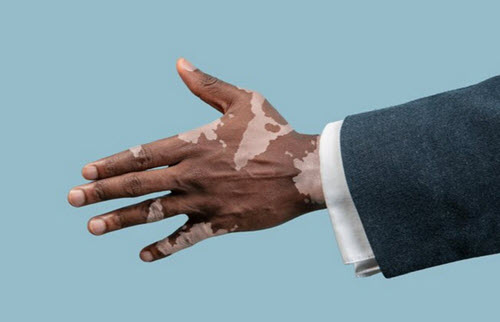
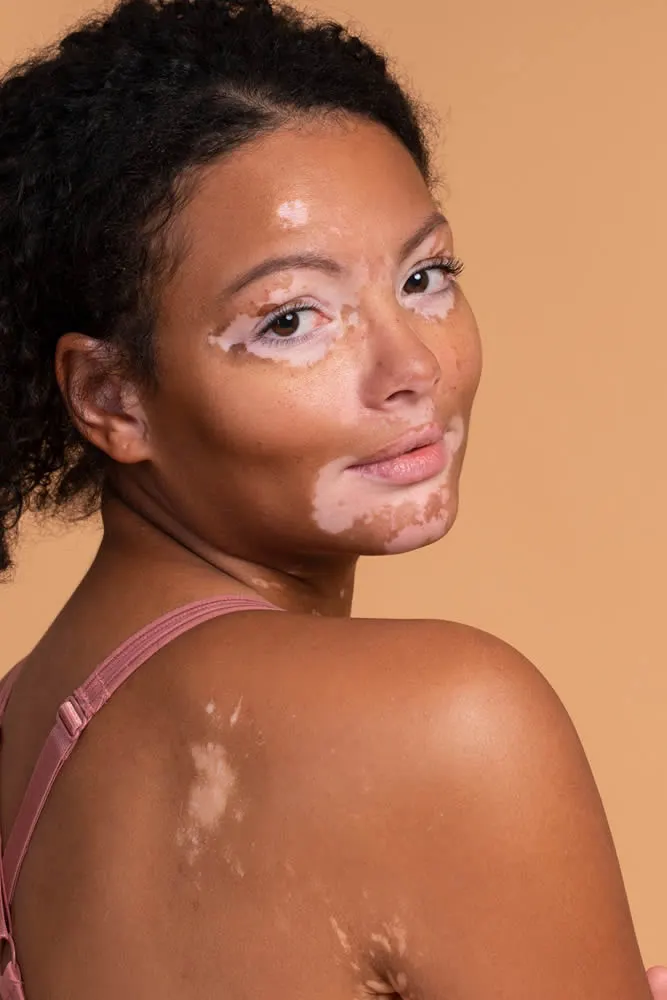
A skin condition that affects pigmentation, vitiligo occurs when white patches develop anywhere on the skin. With vitiligo, melanocytes, the pigment-forming cells, are destroyed by the immune system, which makes skin loses its pigmentation. Usually, people develop vitiligo between the ages of 10 and 40, with the condition affecting both men and women.

Vitiligo on hand

What are the signs and symptoms of  Vitiligo

The usual sign of vitiligo is areas without pigment that appear as white patches on the skin. Vitiligo can appear anywhere on the body, but it usually develops first on areas of the body that are exposed to the sun.

What are the causes of Vitiligo

When melanin, the dark pigment in the epidermis that gives your skin its normal color, is damaged, missing or not produced, the involved patch of skin stays white. If vitiligo occurs in more than one location, white patches develop in these areas as well. Exactly why vitiligo develops is unclear, but it appears to have a hereditary component and may have something to do with the immune system.

What treatments are available at the dermatologist for Vitiligo

Dermatologists offer various treatments for vitiligo, a skin condition characterized by the loss of pigment in certain areas of the skin. The choice of treatment depends on the extent and location of the vitiligo, as well as individual preferences and response to therapy. It’s important to note that while some treatments may help restore skin color, they may not provide a permanent cure, and the results can vary from person to person. 

What are some myths and misconceptions about Vitiligo?

Vitiligo is a skin condition that causes white patches on the skin due to the loss of pigment cells. Some common myths and misconceptions about vitiligo are:

  • Vitiligo is caused by diet, sun damage, skin bleaching, or skin diseases like skin cancer, leprosy, or albinism.
  • Vitiligo is contagious and can spread through contact, saliva, or intercourse.
  • Vitiligo only affects dark-skinned people or people with mixed-race parents.
  • Vitiligo is 100% curable or incurable.
    vitiligo on female face and body

    FAQ About Vitiligo

    Can vitiligo be cured?

    There is no cure for vitiligo, but the symptoms can be managed with treatment. The goal of treatment is to restore color to the affected areas of skin.

    Can vitiligo lead to other health problems?

    In some cases, vitiligo can lead to eye problems such as uveitis or alopecia.

    Is there a dermatologist near me in Chatsworth that offers treatment for vitiligo?

    Yes. At our Chatsworth dermatology office we offer treatment for vitiligo to patients from Chatsworth and the surrounding area. Contact our office today to schedule an appointment.
    Scabies

    Cellulitis

    What is Cellulitis?

    Cellulitis is a skin infection that occurs when bacteria invade the deep layers of the skin and the underlying tissues. It typically causes redness, swelling, and tenderness in the affected area, and can spread rapidly if left untreated. Cellulitis can be caused by a variety of bacteria, including Streptococcus and Staphylococcus, and is usually treated with antibiotics.

    dermatology-exam

    What are the causes of Cellulitis?

    Cellulitis is caused by bacterial infections that penetrate the skin and infect the underlying tissues. The bacteria that most commonly cause cellulitis include Streptococcus and Staphylococcus. Cellulitis can develop from a variety of sources, including cuts, scratches, insect bites, surgical wounds, and skin conditions such as athlete’s foot or eczema. People with weakened immune systems, such as those with diabetes or peripheral vascular disease, are more susceptible to cellulitis. Additionally, people who have a history of cellulitis are at higher risk for developing the infection again in the future.

    What are the symptoms of Cellulitis?

    Cellulitis is a bacterial skin infection that causes symptoms such as:

    • Redness and swelling of the affected skin area
    • Warmth and tenderness to the touch
    • Pain or tenderness in the affected area
    • Firm, red, raised skin area
    • Blisters or pus-filled bumps
    • A fever or feeling generally unwell
    • Swelling of the lymph nodes near the infected area.

    If you suspect you have cellulitis, it is important to seek medical attention promptly, as untreated or severe cases can lead to more serious complications.

    What treatments are available for Cellulitis?

    Cellulitis is typically treated with antibiotics to kill the bacteria causing the infection. The type of antibiotics used will depend on the specific bacteria causing the infection, as well as the severity of the infection and the individual’s overall health. In severe cases of cellulitis, hospitalization may be necessary for intravenous (IV) antibiotics.

    In addition to antibiotics, treatment for cellulitis may include measures to reduce pain and swelling, such as elevating the affected area and applying warm compresses. Pain relief medication may also be prescribed.

    It’s important to follow the treatment plan prescribed by a doctor, complete the full course of antibiotics, and attend all follow-up appointments to ensure the infection is fully treated and to reduce the risk of future infections.

    In some cases, cellulitis can recur or lead to more serious complications, so prompt and appropriate treatment is important.

    dermatology-consultation

    How to help prevent Cellulitis?

    Remember, cellulitis can spread quickly, so it’s important to take preventive measures and seek prompt treatment if you suspect an infection.

    Follow these tips as well:

    • Keep cuts and wounds clean: Clean and cover any cuts, scrapes, or wounds to reduce the risk of infection.
    • Practice good hygiene: Wash your hands regularly and avoid sharing personal items such as towels or razors.
    • Avoid exposure to contaminated water: Be careful when swimming in lakes, rivers, or hot springs, as these bodies of water can contain bacteria that can cause skin infections.
    • Treat skin conditions promptly: If you have a skin condition such as athlete’s foot or eczema, treat it promptly to reduce the risk of infection.
    • Manage underlying medical conditions: If you have a condition such as diabetes or peripheral vascular disease that weakens your immune system, work with your doctor to manage it effectively.
    • Avoid excessive sun exposure: Protect your skin from excessive sun exposure and use sunscreen to reduce the risk of skin damage that can increase the risk of cellulitis.
    • Seek prompt treatment for infections: If you notice any signs of infection, such as redness, swelling, or tenderness, seek prompt medical treatment to reduce the risk of cellulitis.

    FAQ About Cellulitis

    Who is at risk for Cellulitis?

    Anyone can develop cellulitis, but certain factors such as weakened immune system, older age, obesity, poor circulation, and frequent exposure to contaminated water can increase the risk.

    How is Cellulitis diagnosed?

    Cellulitis is usually diagnosed based on a physical examination and medical history, but a skin culture may also be taken to confirm the type of bacteria causing the infection.

    Is cellulitis contagious?

    No, cellulitis is not contagious. However, the bacteria that cause cellulitis can be spread from person to person through direct contact with contaminated objects or surfaces.

    How long does it take for Cellulitis to heal?

    The length of time it takes for cellulitis to heal varies, but with proper treatment, most cases improve within a week to 10 days.

    Can Cellulitis recur?

    Yes, cellulitis can recur if the underlying cause is not addressed or if the skin becomes reinfected.

    Is Cellulitis a serious condition?

    Cellulitis can become serious if left untreated, as it can spread to other parts of the body and cause serious complications. Prompt treatment is essential to avoid such problems.

    Is there a dermatologist near me in Chatsworth that offers treatment for Cellulitis

    Yes. At our Chatsworth dermatology office we offers treatment for Cellulitis to patients from Chatsworth and the surrounding area. Contact our office today to schedule an appointment.